Heatwave
Luxembourg eases red heat alert as deadly heatwave grips western Europe
A week of extreme heat pushed Luxembourg under its highest weather warning and stretched emergency services, as France recorded its hottest day on record and Spain reported hundreds of heat deaths.
By Léa Hoffmann · · 4 min read
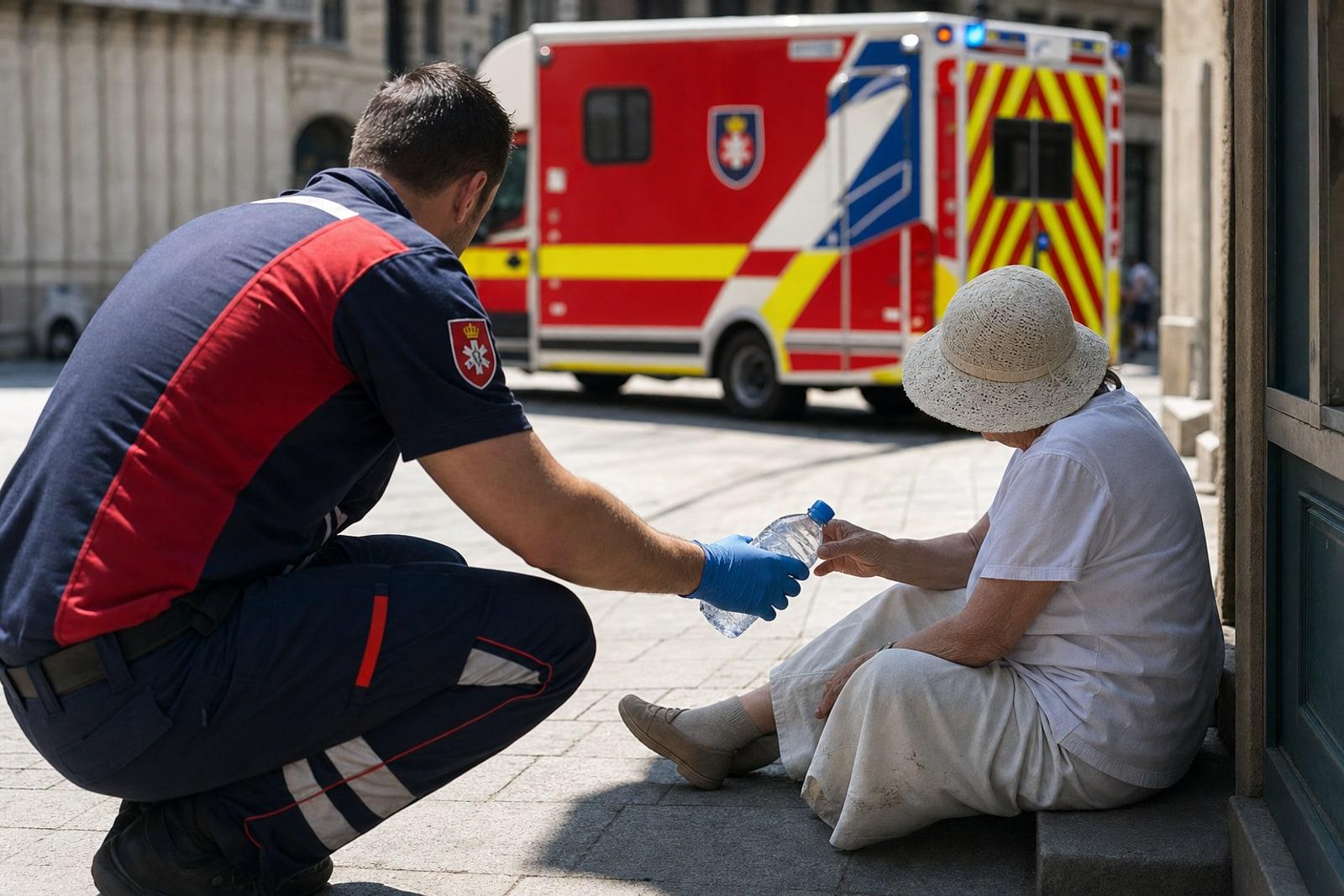
Luxembourg lifted its red heat warning on Sunday morning, ending the most severe stretch of an extreme heatwave that has gripped western and central Europe for more than a week, killed hundreds of people and toppled long-standing temperature records from the Atlantic coast to the Moselle valley.
The national weather service, MeteoLux, had kept the Grand Duchy under its highest alert level — red — from midday on 22 June until 7am on 28 June, an unusually long activation that coincided with the country's National Day celebrations and stretched emergency services to their limits.
A red alert through National Day
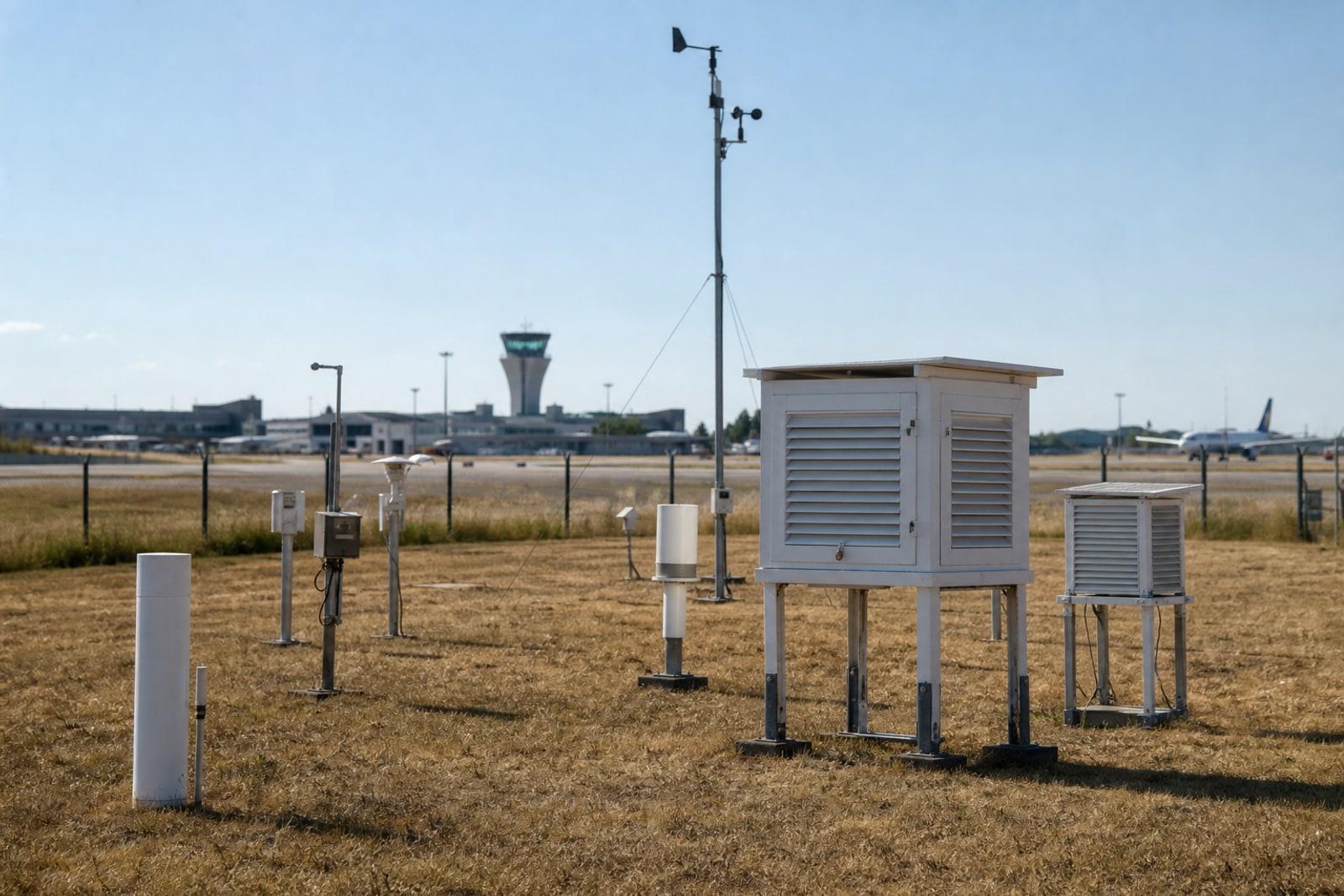
The warning escalated in stages. MeteoLux first declared an orange alert from Friday 19 June, the level triggered when the average Universal Thermal Climate Index is forecast to reach or exceed 24°C for at least two consecutive days. As the air grew hotter, the service raised the warning to red from noon on 22 June, forecasting highs close to or above 40°C — against a normal June maximum of about 22°C at Findel airport — with the Moselle valley the hottest corner of the country and several "tropical" nights offering little relief. The CERI crisis cell later prolonged the red alert until 7am on Sunday.
The Grand Ducal Fire and Rescue Corps, known by its French acronym CGDIS, said it had reinforced staffing across the territory for both the festivities and the heat. By midweek its call-outs had risen by close to 70% above the seasonal average, the corps reported, while hospital emergency departments logged more heat-related visits even as the wider health system stayed broadly under control.
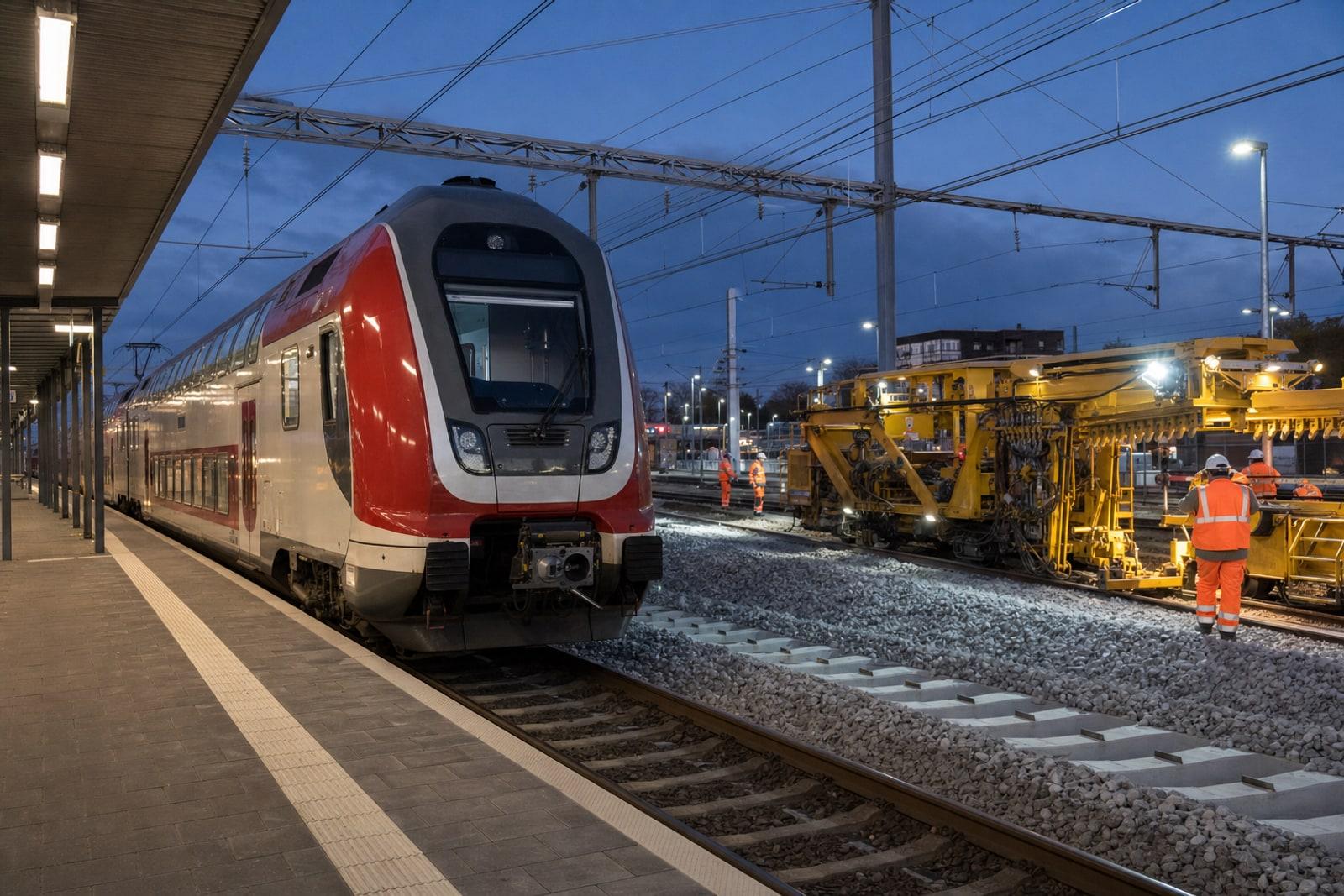
Authorities reshaped daily life around the heat. The environment ministry allowed construction sites to start at 6am rather than 7am to spare labourers the worst of the afternoon sun; the City of Luxembourg suspended afternoon classes for its youngest primary pupils on 24 and 26 June; and the Athénée de Luxembourg secondary school sent students home early.
France counts its dead
If Luxembourg's emergency held, neighbouring France bore the heatwave's heaviest human cost. Météo-France said the country recorded its hottest day since national records began in 1947: its thermal indicator, an average of 30 reference stations, reached 29.8°C, while a high of 44.3°C was logged at Pissos in the south-west, according to NPR and Euronews. Parts of western France climbed above 40°C.
By 25 June, Météo-France had placed as many as 72 of mainland France's departments under a red canicule warning — a record — affecting more than 50 million people in a country with little air conditioning. French authorities said dozens of people had drowned, at least 40 by 24 June, many of them swimming in unsupervised rivers and lakes to escape the heat, and emergency services reported a sharp jump in calls. Tens of thousands of homes briefly lost power in Brittany after a heat-related fault.
The toll reached well beyond France. In Spain, the Carlos III Health Institute attributed at least 212 deaths to the heat between 21 and 24 June, and weather agencies issued red warnings across Spain, Italy and parts of the United Kingdom, where Britain broke its June temperature record on consecutive days.
What residents are told to do
Luxembourg's Health Directorate urged residents to look out for those most exposed — older people, isolated residents, young children, people in precarious situations and those with chronic illness — and issued detailed guidance for the days of extreme heat:
- Drink at least 1.5 litres of water a day and avoid alcohol, which speeds dehydration.
- Shelter in cool or air-conditioned buildings — shopping centres, cinemas or public libraries — during the hottest hours, roughly 11am to 9pm.
- Limit physical and outdoor exertion; the directorate warned that some medicines can worsen dehydration, disrupt temperature regulation or increase sensitivity to the sun.
- Keep in regular contact with elderly or isolated neighbours, whose risk can climb for several days after the peak.
For outdoor and construction workers — among the most exposed — MeteoLux cautioned that "prolonged exposure to the heat could lead to heat exhaustion or heatstroke, even during limited physical activity."
A signal of the new normal
Scientists were quick to link the episode to a warming climate. Meteorologists attributed the heat to a stalled high-pressure system — an "omega block" — that parked hot air over the continent while cooler air slid around its edges. The World Meteorological Organization said records had fallen across multiple countries, and the World Weather Attribution group reported that cities it studied in Luxembourg, Czechia and Lithuania had all seen unprecedented highs.
"Heatwaves like this are what we expect to see in a changing climate," said John Kennedy, a climate scientist at the World Meteorological Organization. "In the 50 years since the historic heatwave in 1976, Europe as a whole has warmed by around two degrees."
For Luxembourg, the immediate emergency eased on Sunday as cooler air moved in. But with the Grand Duchy sitting among the fastest-warming corners of the fastest-warming continent, officials made clear that the week's strain on hospitals, schools and emergency crews was less an aberration than a preview.
Frequently asked
- What heat alert level was Luxembourg under in late June 2026?
- MeteoLux escalated from an orange alert on 19 June to its highest 'red' level from noon on 22 June, and the CERI crisis cell prolonged it until 7am on 28 June.
- How did the heatwave affect Luxembourg's emergency services?
- The CGDIS reinforced staffing across the country and said its interventions rose by close to 70% above the seasonal average by midweek, while hospital emergency departments recorded more heat-related visits.
- How deadly was the heatwave elsewhere in Europe?
- France recorded its hottest day since 1947 and dozens of people drowned seeking relief; Spain's Carlos III Health Institute attributed at least 212 deaths to the heat between 21 and 24 June.
- What were residents advised to do?
- Drink at least 1.5 litres of water a day, avoid alcohol, stay in cool or air-conditioned places between roughly 11am and 9pm, limit outdoor exertion, and keep in contact with elderly or isolated neighbours.
Sources(13)
- 1Luxembourg's heatwave becomes a live stress testDelano · delano.lu
- 2Red alert: Exceptional heatwave until the end of the weekThe Luxembourg Government · gouvernement.lu
- 3Exceptional heatwave and National Day celebrations: red alert in effect from 12.00 on Monday 22 June 2026The Luxembourg Government · gouvernement.lu
- 4Heat Warning – Orange Alert Level announced from Friday, 19 JuneThe Luxembourg Government · gouvernement.lu
- 5Heat Warning – Orange Alert Level announced from Friday, 19 JuneLëtz prepare (public.lu) · letzprepare.public.lu
- 6Red Weather Alert: Heatwave Pushes Temperatures to 38°CChronicle.lu · chronicle.lu
- 7Records fall as extreme heat grips EuropeWorld Meteorological Organization · wmo.int
- 8France records its hottest day ever as Europe withers in heat waveNPR · npr.org
- 9Red heatwave alerts spread across Europe with hottest day ever in France and 40 deaths from drowningEuronews · euronews.com
- 10France records hottest-ever day as 40 drown trying to escape heatwaveAl Jazeera · aljazeera.com
- 11Europe faces another day of extreme heat after more temperature records setAl Jazeera · aljazeera.com
- 12What to Know About Europe's Deadly Heatwave—and How to Stay SafeTIME · time.com
- 132026 European heatwavesWikipedia · en.wikipedia.org
Related by topic