Natural disaster
Venezuela earthquake doublet kills more than 3,500 as rescue turns to recovery
Two quakes of magnitude 7.2 and 7.5 struck northern Venezuela 39 seconds apart on 24 June. Nearly two weeks on, at least 3,535 are confirmed dead and tens of thousands remain missing.
By Léa Hoffmann · · 4 min read
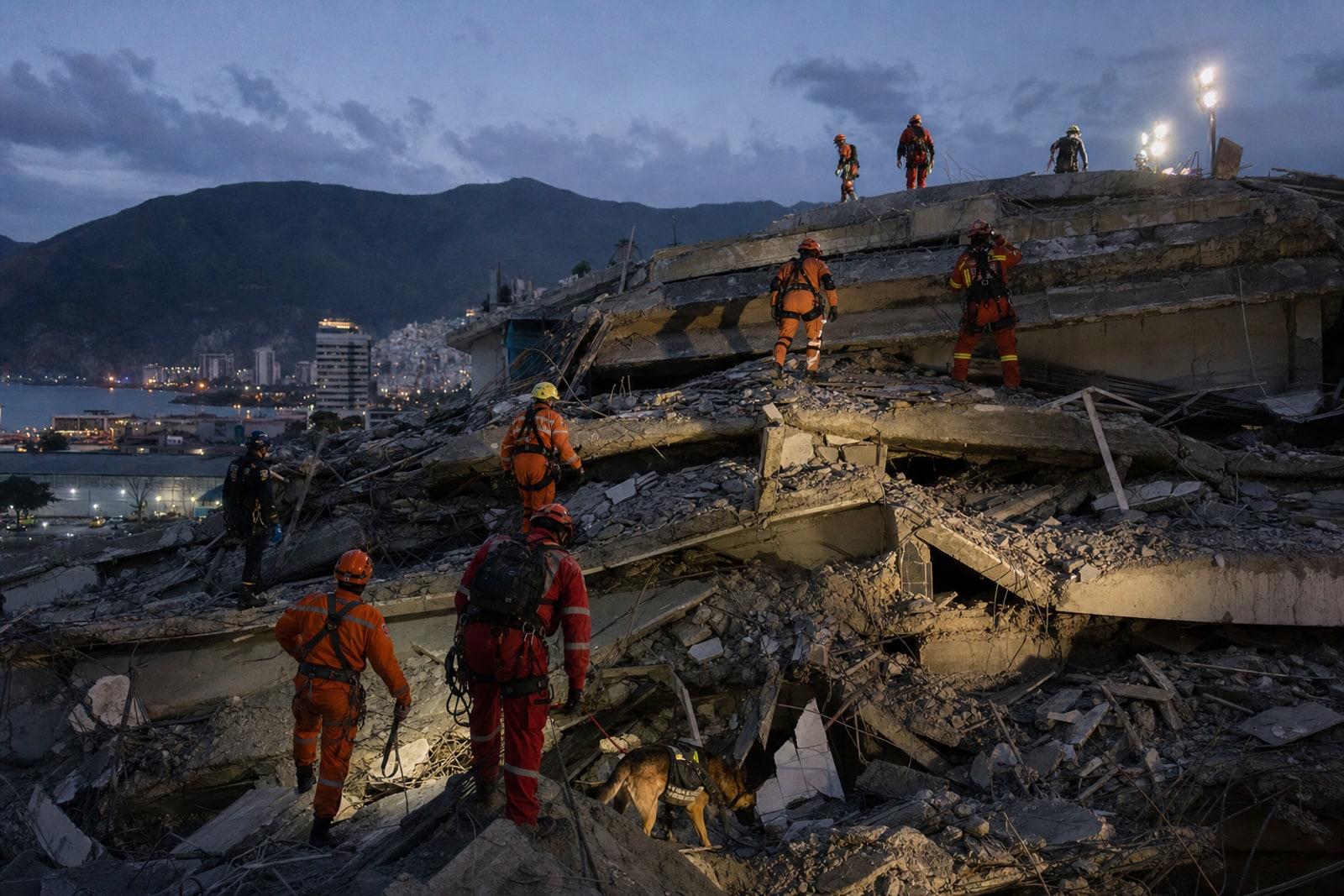
Two powerful earthquakes that struck northern Venezuela within 39 seconds of each other on the evening of 24 June have killed at least 3,535 people, in one of the deadliest seismic disasters in the Americas in decades. Nearly two weeks on, rescue crews are shifting from pulling survivors out of the rubble to recovering the dead, while tens of thousands of people remain unaccounted for.
The death toll, reported by Reuters on 6 July, has climbed steadily since the first hours after the disaster, when authorities counted only a few hundred dead. Venezuela's acting president, Delcy Rodríguez, has repeatedly warned that the figure would rise further as debris is cleared and overwhelmed morgues process bodies from the worst-hit coastal towns.
A rare seismic 'doublet'
According to the United States Geological Survey (USGS), a magnitude 7.2 quake struck at 6:04 p.m. local time, followed roughly 39 seconds later by a magnitude 7.5 event. Both were shallow — the USGS put the second at a depth of about 10 kilometres — and both were centred in Veroes Municipality in Yaracuy state, some 160 kilometres west of Caracas, along the San Sebastián fault system.
Seismologists describe the near-simultaneous pair as an "earthquake doublet," an uncommon phenomenon in which two distinct ruptures of similar size occur in almost the same place moments apart. The shaking was felt across northern Venezuela and briefly prompted a tsunami advisory for parts of the Caribbean, including Puerto Rico and the Dominican Republic, which was later rescinded. More than 780 aftershocks have followed.
A mounting — and contested — toll
Beyond the confirmed dead, Venezuelan authorities have reported more than 16,000 people injured, while a website set up to track the missing has listed tens of thousands of names. Tom Fletcher, the UN's emergency relief chief, has called the figure of roughly 50,000 people missing "terrifyingly plausible," though officials caution that the number includes many simply separated from their families.
The true scale of the loss is disputed. The USGS's rapid-assessment model estimates the eventual death toll will most likely fall between 10,000 and 100,000, given the intensity of the shaking and the density of the affected areas. Some forensic specialists and aid workers believe the official count remains a significant undercount.
- Magnitudes of 7.2 and 7.5 (USGS), 39 seconds apart
- At least 3,535 confirmed dead; more than 16,000 injured
- Close to 50,000 reported missing or unaccounted for
- More than 780 aftershocks recorded
La Guaira and Caracas bear the brunt
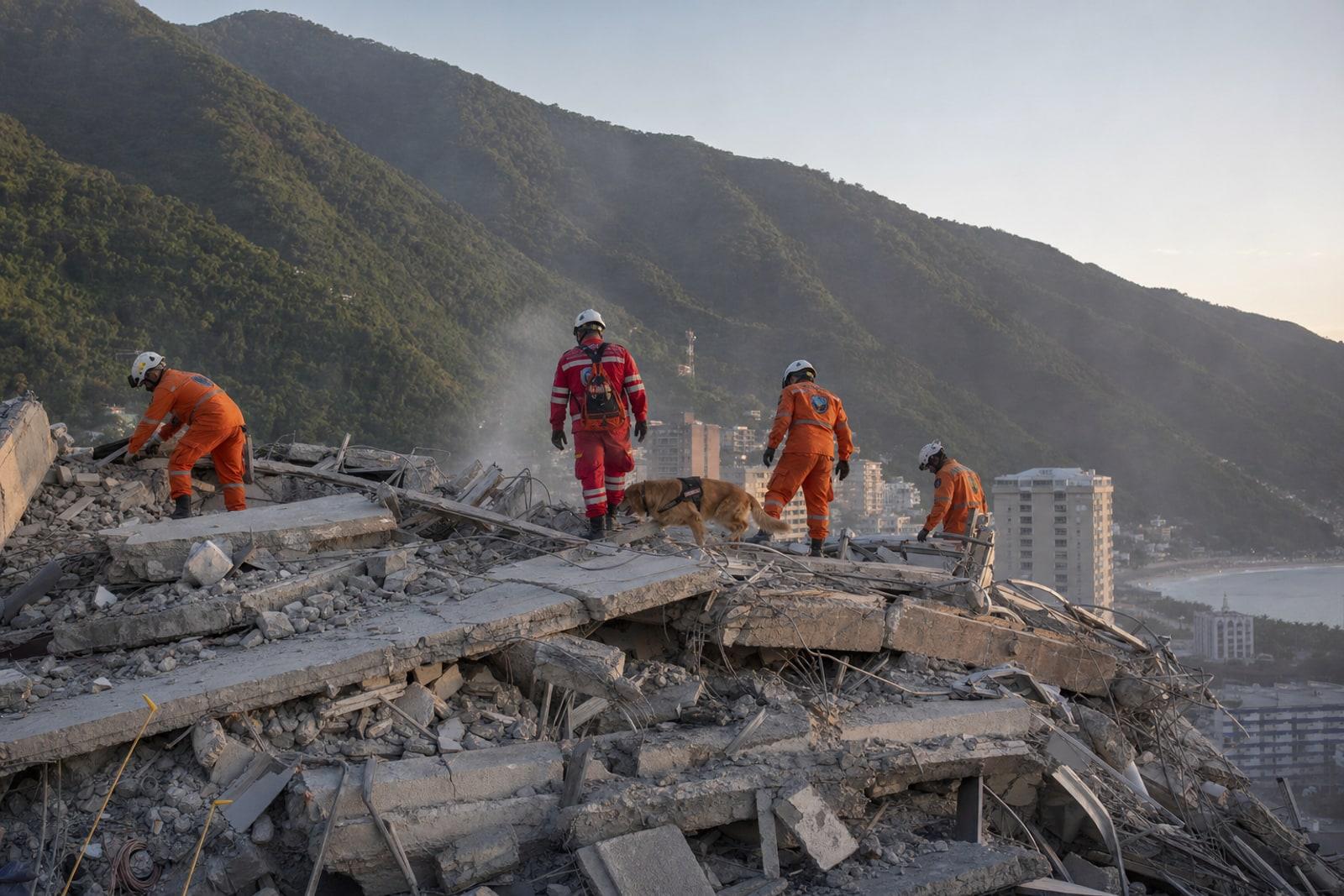
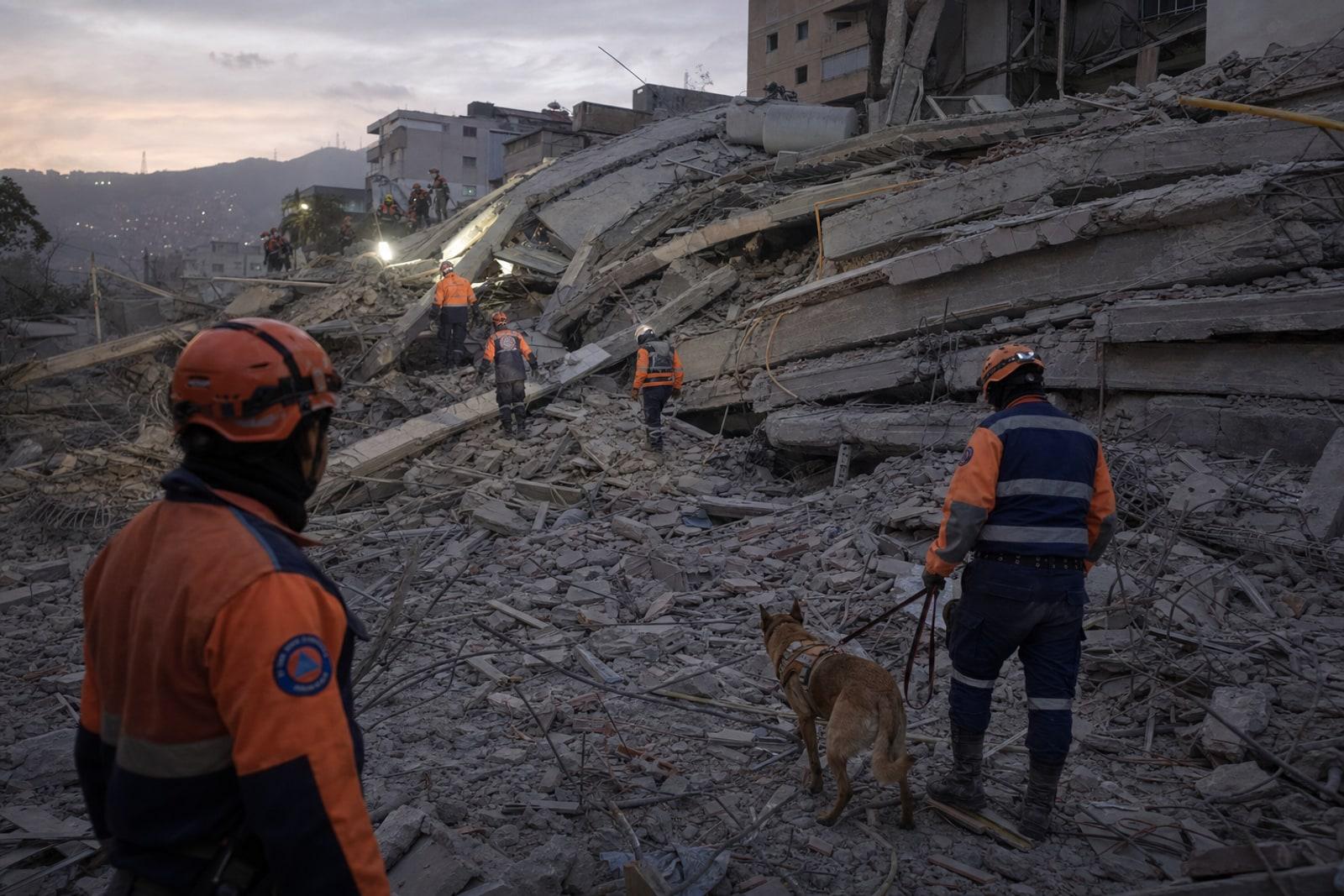
Although the epicentre lay in Yaracuy, the heaviest human toll fell on the densely populated coast north of Caracas. The state of La Guaira was declared a disaster zone, with more than a thousand buildings destroyed in towns such as Caraballeda, Macuto and Catia la Mar; satellite analysis cited by researchers suggested tens of thousands of structures were damaged. In Caracas, the eastern districts of Los Palos Grandes and Altamira suffered severe damage, including the total collapse of a 22-storey tower.
Health facilities were not spared: officials said dozens of hospitals were damaged, and a children's hospital in La Guaira collapsed. The UN's disaster-risk office has estimated direct damage in the tens of billions of dollars — a blow to a country already hollowed out by years of economic crisis.
A vast — and criticised — relief effort
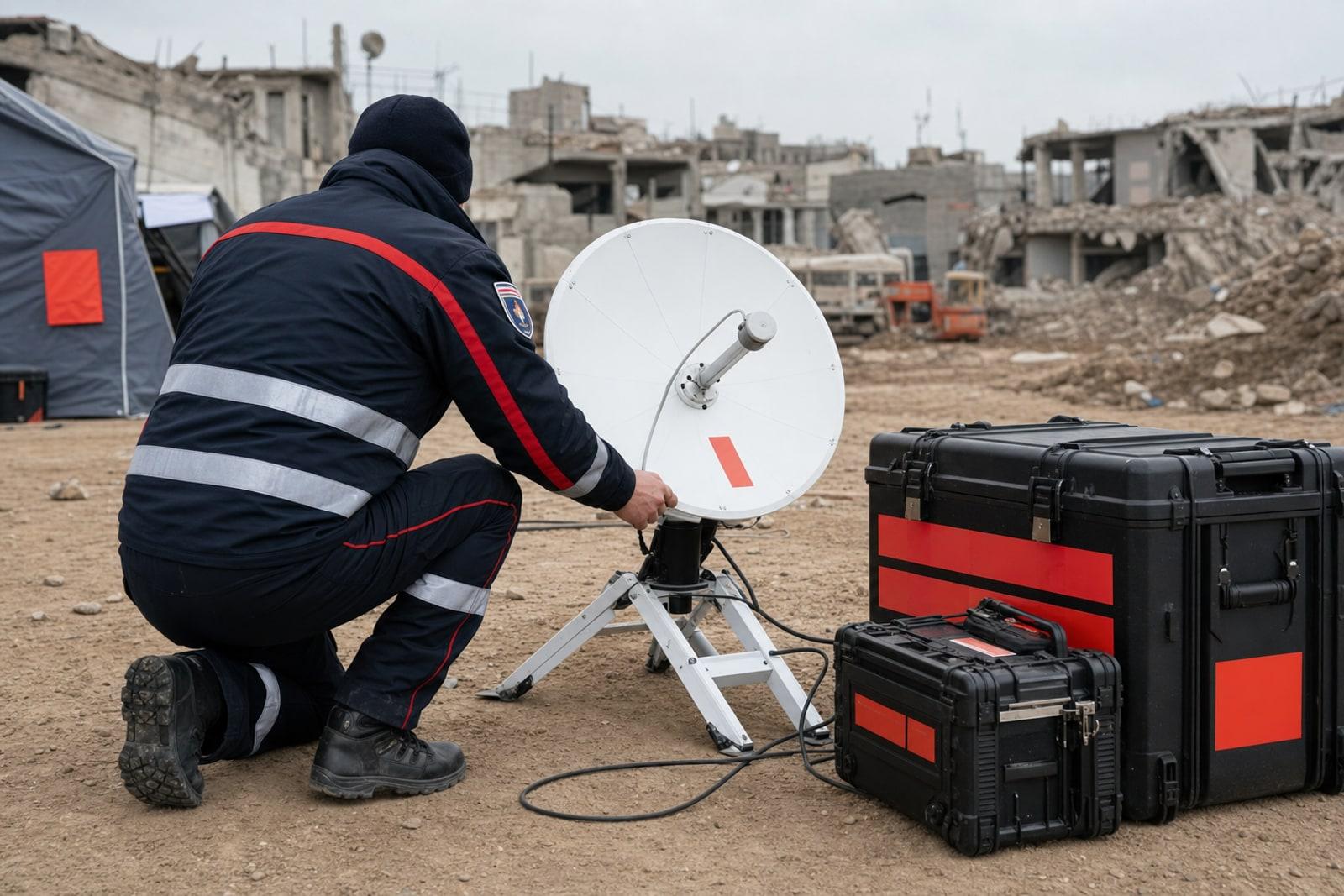
The catastrophe has drawn one of the largest international relief mobilisations the region has seen. Rescue teams, medical personnel and search dogs from more than two dozen countries have deployed, among them the United States, Brazil, Colombia, Mexico, El Salvador, Spain, France, Germany, Switzerland, Türkiye, India and China. The United States pledged around US$150 million in aid, the International Federation of Red Cross and Red Crescent Societies committed US$2.5 million, and the UN said it had supplied 10,000 body bags.
To the Venezuelan people, to those whose loved ones are under the rubble, know that we are determined that help gets to you.
That pledge, from UN aid chief Tom Fletcher, has been tempered by warnings about the difficulty of the operation. Gianluca Rampolla, the UN's resident and humanitarian coordinator in Venezuela, said relief workers "continue to operate in a high-risk environment," with hundreds of aftershocks and damaged infrastructure complicating access.
The government's own performance has come under heavy criticism. Analysts and aid groups point to fuel shortages that left firefighters stranded, volunteers digging with their bare hands, and access restrictions that delayed foreign teams reaching La Guaira. "It was wholly predictable that the government response would be entirely inadequate," said Phil Gunson, a senior analyst at the International Crisis Group. Ms Rodríguez has announced an initial US$200 million reconstruction fund, drawing on IMF resources, to rebuild hospitals and homes — a fraction of the estimated cost. For now, with the window for finding survivors all but closed, the grim work of recovery goes on.
Frequently asked
- How strong were the Venezuela earthquakes and when did they happen?
- According to the USGS, a magnitude 7.2 quake struck at about 6:04 p.m. local time on 24 June 2026, followed roughly 39 seconds later by a magnitude 7.5 event. Both were shallow and centred in Veroes Municipality, Yaracuy state, west of Caracas.
- How many people died in the Venezuela earthquakes?
- At least 3,535 deaths had been confirmed by 6 July 2026, with more than 16,000 injured. Close to 50,000 people were reported missing, and the USGS estimates the final toll will most likely be between 10,000 and 100,000.
- Which areas were worst affected?
- The coastal state of La Guaira, north of Caracas, was declared a disaster zone, with more than a thousand buildings destroyed. In Caracas, the eastern districts of Los Palos Grandes and Altamira suffered severe damage.
- What is the international relief response?
- Rescue teams, medics and search dogs from more than two dozen countries have deployed. The US pledged about US$150 million, the IFRC US$2.5 million, and the UN supplied 10,000 body bags, though the government's own response has been widely criticised as inadequate.
Sources(7)
- 1Venezuela's earthquake death toll reaches 3,535 as survivors look for missing relativesNBC News (Reuters) · nbcnews.com
- 2Venezuela earthquake death toll passes 1,700 as UN continues to scale up responseUN News · news.un.org
- 3June 24-25, 2026 — Venezuela rocked by 7.5 and 7.2 magnitude earthquakesCNN · cnn.com
- 4Venezuela earthquakes latest: Death toll climbs as rescuers continue searchingABC News · abcnews.com
- 5Which countries have pledged aid to Venezuela after powerful earthquakes?Al Jazeera · aljazeera.com
- 6In Venezuela, a 'completely ineffective' government worsens earthquake disaster, experts sayPBS NewsHour · pbs.org
- 72026 Venezuela earthquakesWikipedia · en.wikipedia.org
Related by topic