Middle East
US and Iran agree to halt attacks and renew talks, official says
Both sides will "stand down for now" before a meeting in Doha on 30 June to settle a dispute over the Strait of Hormuz, easing pressure on oil markets and European diplomacy.
By Camille Reuter · · 5 min read
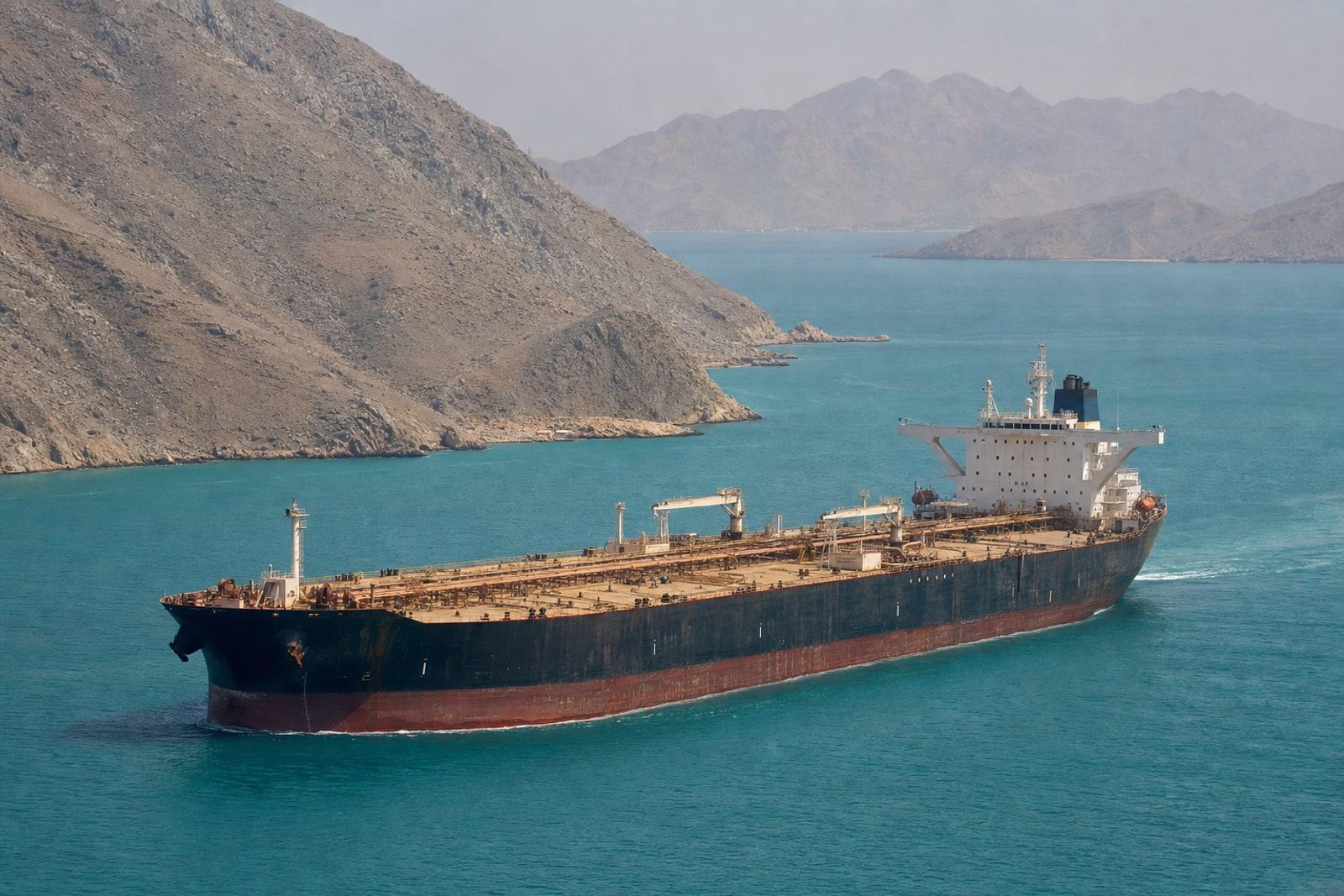
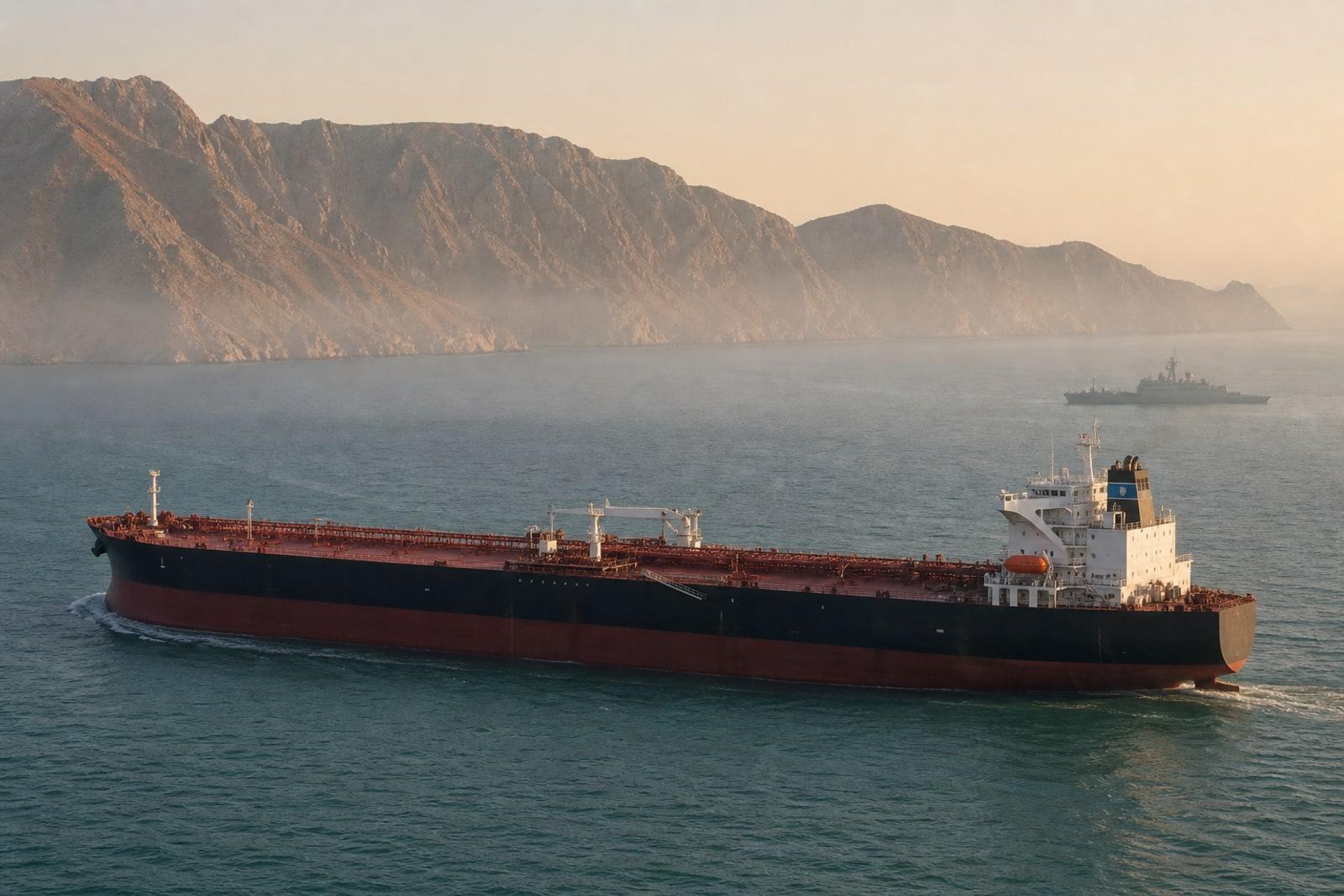
A senior US official says the United States and Iran have agreed to stop attacking one another and return to the negotiating table, an abrupt de-escalation after days of strikes that had pushed a barely two-week-old ceasefire to the brink of collapse. The two governments plan to meet on Tuesday, 30 June, in Doha to resolve their dispute over the Strait of Hormuz, the waterway through which roughly a fifth of the world's oil passes.
The understanding was first reported by the news outlet Axios and relayed by Nikkei Asia, Radio Free Europe/Radio Liberty and other outlets, citing an unnamed American official. Reuters said it could not immediately verify the account, and Iran did not publicly confirm the terms — a reminder that the arrangement rests, for now, on one side's word.
"Technical talks are slated to continue on all areas of the MOU. Both sides will stand down for now and vessels can move freely," the official said, referring to the memorandum of understanding the two governments signed on 17 June.
The same official said the two sides had "decided to stop all the kinetic activity," using the military term for strikes.
From war to a fragile truce
The conflict erupted on 28 February. Pakistan brokered an initial two-week ceasefire in early April, which was later extended while a US naval blockade remained in place. On 17 June, President Donald Trump and Iran's President Masoud Pezeshkian signed remotely a 14-point memorandum of understanding that opened a 60-day window to negotiate a final deal and committed Iran to reopening the Strait of Hormuz in return for the lifting of the blockade.
That truce frayed within days. Both governments accused the other of violations after an Iranian projectile struck a cargo vessel in the strait on Thursday, triggering strikes and counter-strikes. A round of talks in Switzerland — led on the US side by Vice-President JD Vance and on the Iranian side by parliament speaker Mohammad Bagher Ghalibaf — had been postponed. White House envoys Steve Witkoff and Jared Kushner, alongside Iranian Foreign Minister Abbas Araghchi, have been central to the diplomacy. US and Iranian militaries also set up a coordination centre in Doha late last week to manage incidents.
The nuclear question stays open
The renewed talks are expected to focus first on the strait rather than on the issue that started the negotiations: Iran's nuclear programme. The thorniest questions — uranium enrichment levels, the fate of Iran's highly enriched uranium stockpile and the terms of international inspections — remain unresolved. A dispute over access for the International Atomic Energy Agency clouded efforts to finalise a war-ending deal as recently as 23 June, according to NPR.
According to reporting on the framework, the broader package under discussion also covers sanctions relief and the possible release of frozen Iranian assets, though those terms have not been confirmed by either government. Diplomats caution that a durable settlement hinges on the nuclear file, not the shipping lanes.
Oil markets exhale
The standdown has reinforced a sharp retreat in energy prices. Brent crude fell to $78.24 a barrel on 17 June, its lowest since early March, after dropping about $17 over four trading sessions, according to Al Jazeera. Prices remained roughly 7% above their level before the war began in late February.
The relief follows what had been an extraordinary squeeze. At the height of the crisis, traffic through Hormuz was reduced to a trickle by the threat of Iranian missiles, drones and mines, with the International Energy Agency describing the episode as among the largest supply disruptions in the history of the global oil market and more than 500 vessels reported waiting to leave the Gulf. Analysts warn the recovery is sentiment-led and reversible.
"The immediate prognosis, it seems, is optimistic and assumes no significant setbacks," said Tamas Varga of PVM Oil Associates.
Mine-clearing and a backlog of stranded ships mean a full return to normal shipping could take weeks.
Europe's stake
For the European Union — and for energy-importing economies such as Luxembourg — the news touches two nerves at once: the price of crude and the security of a chokepoint that European trade depends on. The EU welcomed the original April ceasefire and has repeatedly pressed for freedom of navigation through Hormuz "in line with international law, as reflected in UNCLOS," in the words of High Representative Kaja Kallas.
Kallas framed diplomacy as the only viable route. "Now is the time to design a comprehensive strategy for lasting peace across the entire Middle East," she said. She has also insisted that any nuclear settlement be rigorous, warning that without "nuclear experts around the table" the powers risk "an agreement that is weaker than the JCPOA" — the 2015 deal. The bloc has backed words with measures, listing individuals and an entity on 8 June over actions impeding navigation in the strait, and European Council conclusions in March endorsed UN Security Council efforts to secure the waterway.
European officials have signalled they could contribute naval assets to help police a reopened strait, a step Washington has long demanded of its allies. Whether any of that materialises depends on the Doha meeting holding — and on a ceasefire that, as recent days have shown, can unravel in an afternoon. Trump underscored the stakes with a characteristic threat before the latest thaw, writing that if Iran resumed hostilities "the Islamic Republic of Iran will no longer exist!"
Frequently asked
- What did the US and Iran agree to?
- According to a senior US official cited by Axios, the two sides agreed to stop attacking each other and resume talks. The official said both sides would "stand down for now" and that vessels could move freely, with technical talks to continue on all areas of the 17 June memorandum.
- Where and when will the talks take place?
- The two sides plan to meet on Tuesday, 30 June 2026, in Doha, Qatar, to work out their dispute over the Strait of Hormuz.
- Does this resolve Iran's nuclear programme?
- No. The renewed talks are expected to focus first on the Strait of Hormuz. Uranium enrichment levels, Iran's highly enriched uranium stockpile and IAEA inspections remain unresolved.
- How did the de-escalation affect oil prices?
- Oil prices fell sharply, with Brent crude dropping to about $78.24 a barrel on 17 June — its lowest since early March — as the Strait of Hormuz began reopening after a major supply disruption.
Sources(12)
- 1Iran and America agree to halt attacks and renew talks, US official saysNikkei Asia · asia.nikkei.com
- 2US, Iran agree to halt strikes and meet this week, American official saysAxios · axios.com
- 3Iran and U.S. agree to halt attacks and renew talks, Axios reportsThe Spokesman-Review (Reuters) · spokesman.com
- 4'Both Sides Will Stand Down For Now' Ahead Of Technical TalksRadio Free Europe/Radio Liberty · rferl.org
- 52026 Iran war ceasefireWikipedia · en.wikipedia.org
- 62025–2026 Iran–United States negotiationsWikipedia · en.wikipedia.org
- 7A U.S.-Iran dispute over nuclear inspections clouds work to finalize a war-ending dealNPR · npr.org
- 8Oil prices continue slide amid hopes for peace, opening of Strait of HormuzAl Jazeera · aljazeera.com
- 9Brent rises after U.S.-Iran peace talks in Geneva are abruptly postponedCNBC · cnbc.com
- 10Statement by the High Representative on behalf of the EU on the ceasefire agreed by the United States and IranCouncil of the EU / GlobalSecurity.org · globalsecurity.org
- 11US-Iran ceasefire and nuclear talks in 2026UK House of Commons Library · commonslibrary.parliament.uk
- 12Freedom of navigation in the Strait of Hormuz: EU lists two individuals and one entityCouncil of the EU · consilium.europa.eu
Related by topic