United States
US Supreme Court Clears Way to End Deportation Protections for Haitians and Syrians
In a 6-3 ruling, the justices held that courts cannot review the administration's move to terminate Temporary Protected Status, exposing more than 350,000 people to deportation.
By Léa Hoffmann · · 4 min read
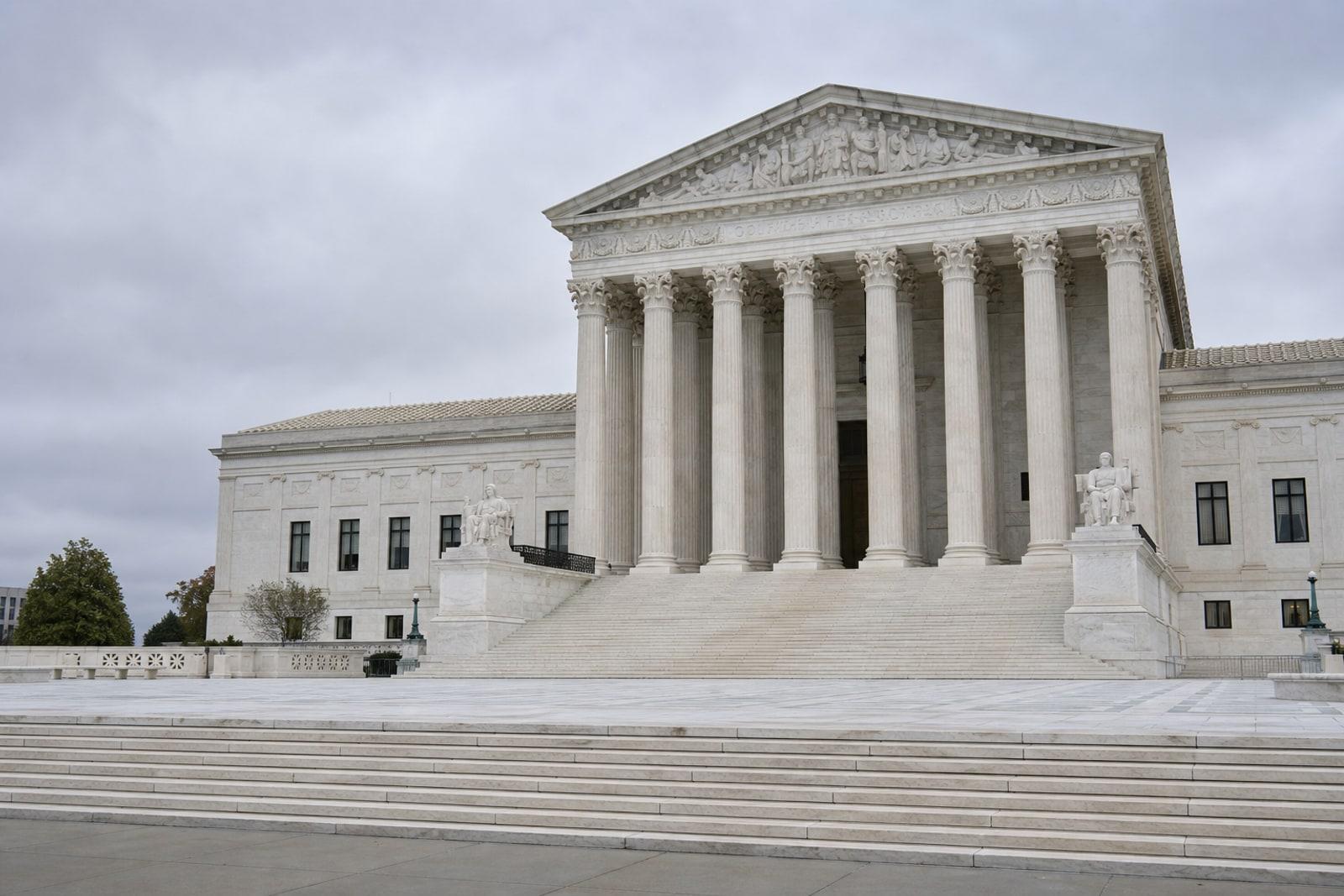
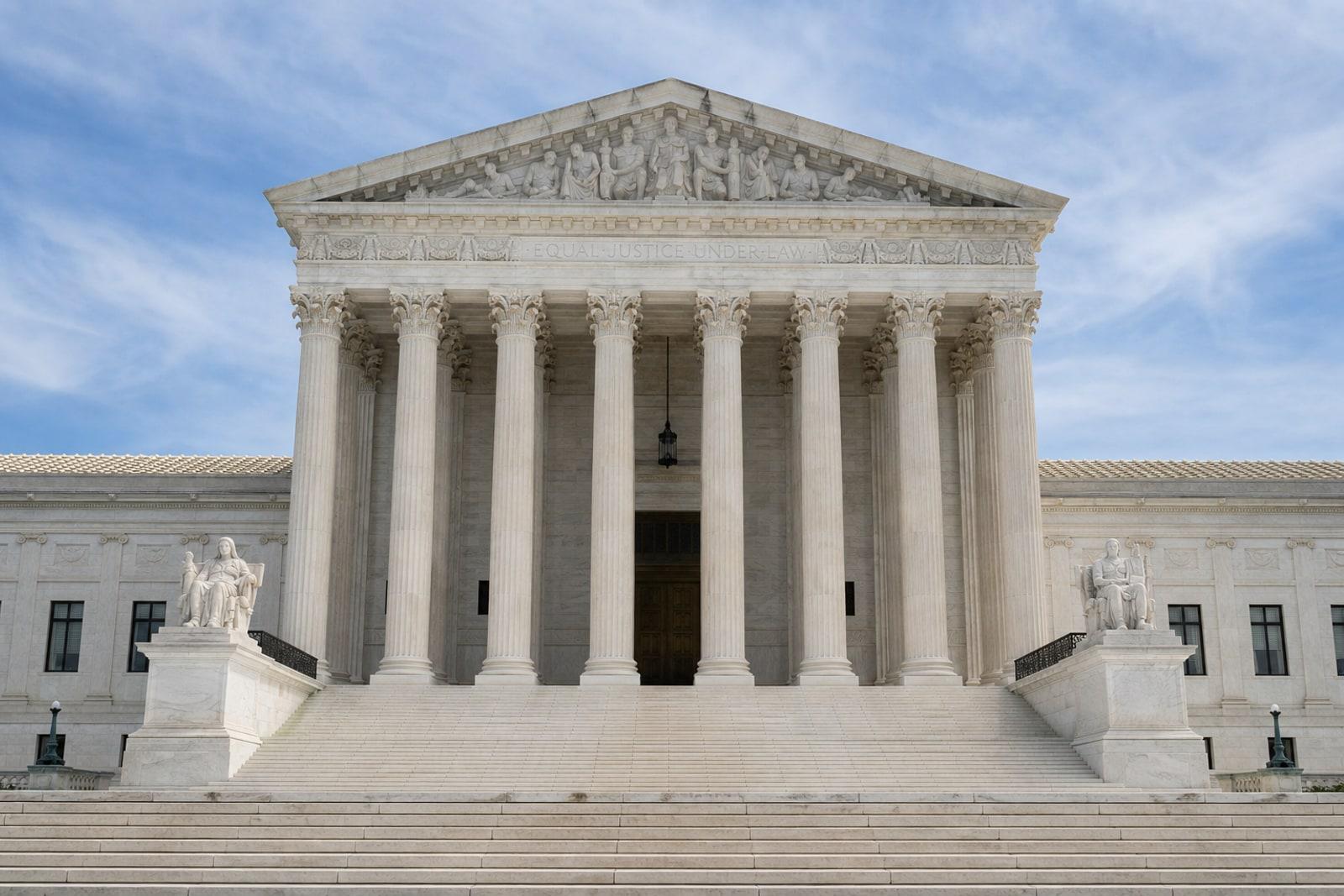
The United States Supreme Court on Thursday cleared the way for President Donald Trump's administration to end deportation protections for hundreds of thousands of Haitian and Syrian immigrants, ruling that federal courts have no power to second-guess the government's decision to dismantle one of America's main humanitarian immigration programs.
The 6-3 decision in Mullin v. Doe reverses lower-court orders that had frozen the terminations and exposes more than 350,000 Haitians and roughly 6,000 Syrians to the loss of their legal status, their work permits and, potentially, removal from the country. The ruling split the court along familiar ideological lines, with its six conservatives in the majority and its three liberals in dissent.
What the court decided
At issue was Temporary Protected Status, or TPS, a program created by Congress in 1990 that lets the Homeland Security Secretary shield nationals of designated countries from deportation when war, disaster or other crises make return unsafe. The governing statute, 8 U.S.C. Section 1254a, says the Secretary's decisions to grant or end a designation are not subject to judicial review.
Writing for the majority, Justice Samuel Alito held that this bar swept aside the challengers' case. "The TPS statute plainly bars consideration of respondents' non-constitutional claims," he wrote. He was joined by Chief Justice John Roberts and Justices Clarence Thomas, Neil Gorsuch, Brett Kavanaugh and Amy Coney Barrett.
The court also rejected an argument that the move to end Haiti's designation was tainted by racial bias, citing comments by Mr Trump and by Kristi Noem, who ordered the terminations as Homeland Security Secretary in 2025. The majority found the cited statements expressed policy views that could rest on race-neutral grounds.
A sharp dissent
Justice Elena Kagan, joined by Justices Sonia Sotomayor and Ketanji Brown Jackson, dissented, arguing that the holders were seeking only the chance to remain while their case was decided, not a permanent right to stay.
They ask for only one thing: that they may stay in this country while they continue to litigate their claims.
Kagan acknowledged that TPS "is a temporary program" that "did not promise the plaintiffs never-ending humanitarian protection," but said the law still required the administration to follow proper procedures before ending it. Lawyers for the immigrants warned of grave consequences for people sent back to Haiti, where state authority has collapsed amid gang violence, and to Syria.
"Today the Supreme Court allowed the government to ignore a bedrock humanitarian protection," said Ahilan Arulanantham, a University of California, Los Angeles law professor representing TPS holders.
Who is affected
The terminations had been blocked by federal judges in Washington for Haiti and in New York for Syria, and two appeals courts had declined to intervene. With those injunctions now lifted, the administration may proceed. Losing TPS means:
- the end of protection from deportation, placing holders into the normal removal process;
- the loss of federal work authorization tied to the status;
- the option, for some, to seek asylum or other relief individually, though that is far narrower than the blanket shield TPS provides.
The wider stakes are larger still. TPS now covers nearly 1.3 million people from about 17 countries, and the ruling is expected to shape parallel litigation over the administration's bid to end protections for other nationalities, including Venezuelans, Hondurans, Nicaraguans, South Sudanese and Somalis. By holding that courts generally cannot review these decisions, the justices handed the executive branch broad latitude to wind the program down.
The political and diplomatic stakes
The decision is a significant victory for an administration that has made restricting immigration a centerpiece of its agenda. The White House cast TPS as a benefit that had been stretched beyond its purpose. "It was never intended to be a pathway to permanent status," said White House spokeswoman Abigail Jackson, echoing the government's argument that "temporary" protections had hardened into de facto permanence over years of renewals.
For an international audience, the ruling lands at a moment of acute fragility in both affected countries. Haiti remains gripped by armed groups that control much of its capital, while Syria is navigating an uncertain transition after the fall of its former government. Returning large numbers of people to either raises questions about the principle of non-refoulement — the prohibition on sending people back to danger — that underpins much of international refugee law. Immigrant-rights groups described the prospect as one of the largest mass losses of legal status in modern US history.
The original case was filed against Ms Noem; its caption changed to Mullin v. Doe after Markwayne Mullin became Homeland Security Secretary in March 2026. Argued in late April, the decision arrives as one of the term's most consequential immigration rulings, recasting how much discretion a president holds over the fate of communities that have lived legally in the United States for years, in some cases more than a decade.
Frequently asked
- What did the Supreme Court rule?
- In Mullin v. Doe, the court ruled 6-3 that federal courts cannot review the Homeland Security Secretary's decision to terminate Temporary Protected Status, allowing the Trump administration to end TPS for Haiti and Syria.
- How many people are affected?
- The decision directly affects more than 350,000 Haitians and roughly 6,000 Syrians. The broader TPS program covers nearly 1.3 million people from about 17 countries.
- What happens to people who lose TPS?
- They lose protection from deportation and their work authorization tied to the status, and can be placed in removal proceedings. Some may still seek asylum or other forms of relief individually.
- Who dissented?
- Justice Elena Kagan wrote the dissent, joined by Justices Sonia Sotomayor and Ketanji Brown Jackson, arguing the holders should be allowed to remain while their legal challenge continued.
Sources(9)
- 1Supreme Court lets Trump strip deportation protections from Syrians and HaitiansCBS News · cbsnews.com
- 2Supreme Court allows Trump administration to end removal protections for Syrian and Haitian nationalsSCOTUSblog · scotusblog.com
- 3Court considers whether Trump administration properly ended temporary protected status for Haitian and Syrian nationalsSCOTUSblog · scotusblog.com
- 4Supreme Court Clears the Way for Trump to Dismantle TPSNOTUS · notus.org
- 5Supreme Court allows Trump administration to end TPS for Haitians, SyriansSpectrum News · spectrumlocalnews.com
- 6Supreme Court allows Trump to end TPS for Haiti and SyriaNBC 6 South Florida · nbcmiami.com
- 7Trump can begin deportations of Syrian, Haitian TPS holders, Supreme Court saysNPR · npr.org
- 8Mullin v. Doe, No. 25-1083 (opinion of the Court, June 25, 2026)Supreme Court of the United States · supremecourt.gov
- 9Mullin v. Doe (25-1083)Cornell Legal Information Institute · law.cornell.edu
Related by topic