Diplomacy
Israel's cabinet recognises the Armenian genocide for the first time
A unanimous cabinet vote on Sunday makes recognition official state policy for the first time, a diplomatic break that deepens Israel's rupture with Turkey days before Ankara hosts the NATO summit.
By Léa Hoffmann · · 4 min read
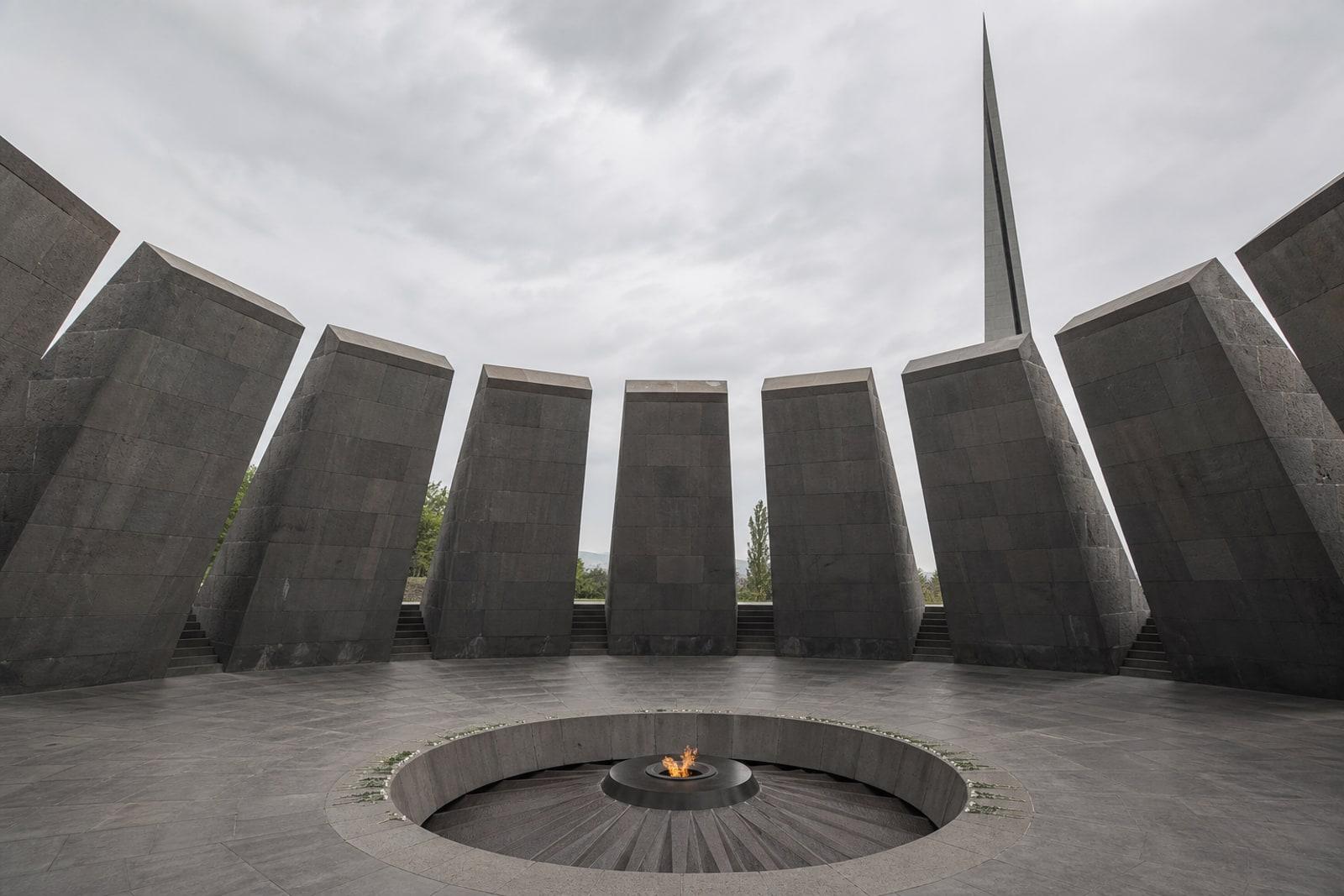
Israel's cabinet voted unanimously on Sunday to recognise the 1915 Armenian genocide, the first time the Israeli state has formally taken that step after more than a century of careful silence. The decision, championed by Foreign Minister Gideon Sa'ar, transforms a politically delicate question of history into an act of policy — and sharpens an already bitter rift with Turkey just days before Ankara hosts a NATO summit.
The resolution, approved without dissent at the weekly cabinet meeting in Jerusalem, declares that Israel recognises the systematic destruction of Ottoman Armenians during the First World War as genocide and rejects attempts to deny it. It now moves to the Knesset plenum for a parliamentary vote. Until this year, Israel had neither formally recognised nor denied the killings, a studied ambiguity long maintained out of concern for relations with Turkey and Azerbaijan.
A cabinet vote a century in the making
Sa'ar announced his intention earlier in the week and framed recognition in moral terms rooted in Jewish history. He cited 1.5 million Armenian dead — the figure used by Armenia — and said the genocide had remained the target of an institutionalised campaign of denial.
Recognizing the genocide perpetrated against the Armenian people in the final years of the Ottoman Empire is both a moral and historical duty.
"It is never too late to do the right thing," Sa'ar added. Historians' estimates of the death toll vary; Euronews put the range at roughly 664,000 to 1.2 million people killed between the spring of 1915 and the autumn of 1916, as Armenian communities across Anatolia were deported and massacred.
The vote builds on a personal shift by Prime Minister Benjamin Netanyahu. In August 2025, in a podcast interview, Netanyahu became the first sitting Israeli prime minister to use the word genocide to describe the events — a personal statement that fell short of official policy. Sunday's cabinet decision closes that gap, converting an individual acknowledgement into a position of the Israeli government.
Turkey condemns a 'political' move
Ankara responded with fury. Turkey, which rejects the genocide label and insists the deaths occurred amid the chaos of war, denounced the recognition as cynical and self-serving.
In a statement, Turkey's foreign ministry said Israel "is seeking to cover up its own crimes through the political decision it has adopted regarding the events of 1915," pointing to the case brought against Israel at the International Court of Justice over its conduct in Gaza. The ministry accused Israel of having "systematically persecuted the Palestinian people before the eyes of the entire world."
Relations between the two former partners have collapsed since the Gaza war erupted after Hamas's 7 October 2023 attack on Israel. President Recep Tayyip Erdoğan has likened Israel's campaign to Nazi Germany's, all but severed once-robust trade, and escalated his rhetoric against the Israeli government. Recognition of the genocide is the latest and most pointed Israeli rebuke, striking at a historical question Turkey treats as a red line of national identity.
The Azerbaijan calculation
For years, the strongest brake on Israeli recognition was less Turkey than Azerbaijan, a close strategic partner that borders Iran. The relationship is deep and material:
- Azerbaijan supplies an estimated 40 to 60 percent of Israel's crude oil.
- The state energy firm SOCAR acquired a roughly 10 percent stake in Israel's Tamar offshore gas field in early 2025.
- Bilateral trade reached about 1.4 billion dollars in 2024, underpinned by extensive arms sales.
Those ties carried a cost in Armenian eyes. Israel supplied weapons to Azerbaijan during its 2023 offensive that retook Nagorno-Karabakh and forced more than 100,000 ethnic Armenians to flee. Objections from Baku, alongside Ankara, had repeatedly stalled recognition in the Knesset. That the cabinet has now acted regardless signals how far the strategic calculus has shifted — a century-old question of historical truth being settled, in the end, on the ground of present-day geopolitics.
A test on the eve of the NATO summit
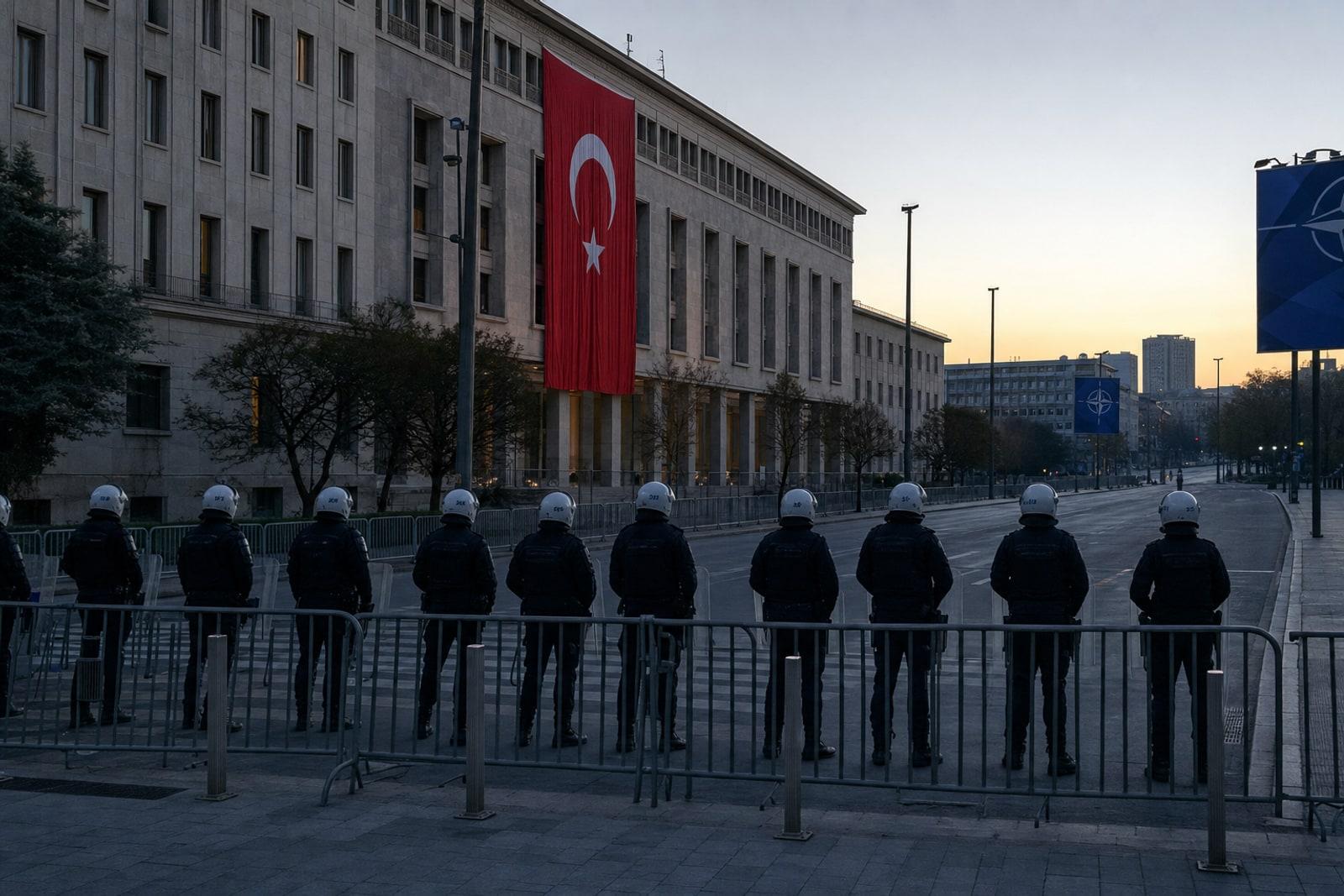
The timing is conspicuous. Turkey is due to host the 2026 NATO summit in Ankara on 7 and 8 July, gathering dozens of heads of state and government at the Beştepe Presidential Complex for only the second NATO summit ever held on Turkish soil. Israel's recognition lands as Erdoğan prepares to play host to the alliance, an awkward backdrop for a leader who has cast himself as the Muslim world's foremost critic of Israel.
The move aligns Israel with more than 30 United Nations member states — among them the United States, France, Germany, Canada and Russia — that formally recognise the genocide. For Armenia, long frustrated by Israel's reticence, it is a symbolic victory, even as Armenian advocates note the recognition coexists with Israel's arms relationship with Azerbaijan. For Turkey, it is a fresh wound in a relationship already near rupture. And for the wider region, it is a reminder that the politics of memory, a century after the fact, still answer to the alignments of the present.
Frequently asked
- What exactly did Israel do?
- On 28 June 2026, Israel's cabinet unanimously approved a resolution officially recognising the 1915 Armenian genocide, the first time the Israeli state has done so. The resolution still requires a vote in the Knesset, Israel's parliament.
- Why had Israel not recognised the genocide before?
- Israel long avoided formal recognition to protect strategic relations with Turkey and especially Azerbaijan, a major oil supplier and arms customer that borders Iran. Both governments oppose recognition.
- How did Turkey respond?
- Turkey's foreign ministry denounced the move as a 'political' decision, accusing Israel of trying to cover up its own conduct in Gaza, and rejected the genocide label as it traditionally does.
- Why does the timing matter?
- The recognition comes just days before Turkey hosts the 2026 NATO summit in Ankara on 7–8 July, an embarrassing backdrop for President Erdoğan amid an already severe rupture with Israel.
Sources(10)
- 1Israel formally recognises Armenian World War I 'genocide'Euronews · euronews.com
- 2Israel recognizes Armenian genocide, amid frosty ties with TurkeyThe Times of Israel · timesofisrael.com
- 3Turkey denounces Israel's 'political' recognition of Armenian genocideThe Times of Israel · timesofisrael.com
- 4Israeli government votes unanimously to recognize Armenian genocide, risking new tensions with TurkeyYnetnews · ynetnews.com
- 5'Not an act of retaliation against Turkey': Israeli gov't approves Armenian Genocide recognition pending Knesset voteHaaretz · haaretz.com
- 6Sa'ar to bring Armenian Genocide recognition to vote, cites Israel's 'moral, historical duty'The Jerusalem Post · jpost.com
- 7Israel Moves to Formally Recognize Armenian WWI Deaths as a GenocideU.S. News & World Report · usnews.com
- 8In a first for an Israeli leader, Netanyahu says he recognizes the Armenian genocideJewish Telegraphic Agency · jta.org
- 9Israel recognises Armenian genocide in rebuke to TurkeyThe New Arab · newarab.com
- 10Türkiye to host 2026 NATO Summit in Ankara, 7-8 July 2026NATO · nato.int
Related by topic