New York
New York freezes rents on a million apartments, handing Mamdani his signature win
The city's Rent Guidelines Board voted 7-1 to halt increases on roughly one million rent-stabilised apartments, delivering the central promise of the mayor's insurgent campaign.
By Léa Hoffmann · · 4 min read
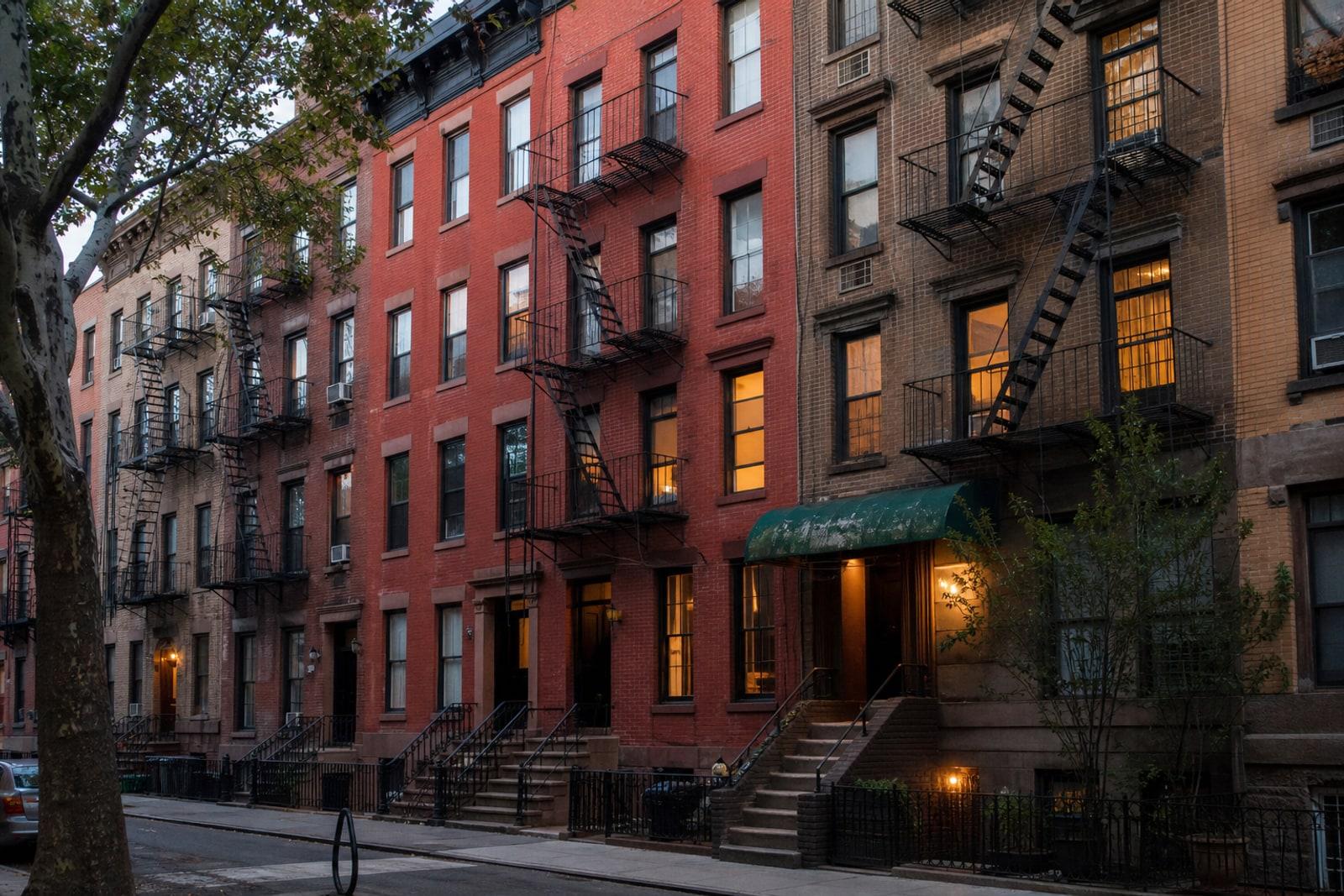
New York City's Rent Guidelines Board voted 7-1 on Thursday night to freeze rents on roughly one million rent-stabilised apartments, delivering the signature promise that carried Zohran Mamdani from insurgent state legislator to mayor of America's largest city.
The board set a 0% adjustment on both one-year and two-year leases that begin on or after 1 October 2026 and on or before 30 September 2027. It is the first time the board has frozen rents on two-year leases, and the first freeze of any kind in New York since 2020, according to multiple accounts of the vote.
For Mamdani, a 34-year-old democratic socialist who took office on 1 January, the decision converts a campaign slogan into policy. He had made "freeze the rent" the organising cry of a campaign that beat former Governor Andrew Cuomo in the Democratic primary in June 2025 and again in the November general election. In a statement issued after the vote, the mayor called the outcome a turning point for the city's tenants.
This is a historic victory for New York City tenants. After reviewing the data and hearing from New Yorkers across the city, the independent RGB has delivered a freeze on one-year leases, and the first-ever freeze on two-year leases in our city's history. This is the relief that working people across our city deserve.
A campaign promise, delivered by the board
The Rent Guidelines Board is a nine-member municipal body that sets annual rent adjustments for the city's stabilised housing. Its independence has become the central controversy of this cycle: Mamdani appointed six of its nine members, and critics argued that the result was preordained the moment he won.
That charge erupted into the open hours before the vote, when Christina Smyth, an attorney representing property owners on the board, resigned effective immediately. Smyth, first appointed by former Mayor Eric Adams in 2022 and reappointed in December 2025, accused the board of abandoning its analytical mandate.
"The Rent Guidelines Board has stopped being a fact-finding body. It has become a body that starts with an answer and vibe codes its way backward to justify it."
The board's chair, Chantella Mitchell, said she was surprised by the resignation but that the vote would proceed as scheduled. The lone dissenting vote was cast by a public representative, Arpit Gupta.
Who the freeze covers — and what it is meant to save
The freeze reaches a large slice of the city's housing. Rent-stabilised units number around one million — described in several accounts as more than 40% of all New York apartments — and are home to roughly two million people. Eligibility is defined by the city's stabilisation rules:
- apartments in buildings of six or more units constructed before 1974;
- units in newer buildings that receive certain tax breaks or government subsidies.
State Assembly Member Tony Simone estimated the freeze could save tenants as much as $6.8 billion over Mamdani's four-year term. The mayor campaigned on freezing rents for all four years; in practice the board sets adjustments one cycle at a time, so future years remain to be decided.
Landlords warn of decay — and head to court
Property owners and industry groups reacted with alarm, arguing that a freeze starves aging buildings of the revenue needed for repairs while their own costs — insurance, fuel, labour — keep climbing. James Whelan, president of the Real Estate Board of New York, said the decision would deepen the very crisis it claims to address.
"Tonight's vote may be politically popular, but it will make New York's housing crisis worse."
Smaller landlords echoed the warning, and a legal challenge to the board's decision is widely anticipated. The dispute distils a long-running argument in rent regulation: whether caps protect vulnerable tenants or, over time, discourage the maintenance and construction of the housing that everyone needs.
A test case beyond New York
The vote lands as a marquee experiment in the affordability politics now reshaping Western cities. Mamdani's rise — a self-described democratic socialist winning, then governing, on a pledge to hold down rents — has become a reference point for housing campaigners and a warning for property interests far from New York.
The resonance is sharp in Luxembourg, where the cost of housing is among the most acute political questions and where residential prices rank among the highest in the European Union. Eurostat's Housing in Europe 2025 review documents mounting affordability strains across European cities, and Luxembourg's squeeze on renters and would-be buyers has driven repeated debate over how far the state should intervene in the market.
What New York has now tested is one of the most direct interventions available: a mayor using appointments to a regulatory board to hold rents flat for a million homes. Whether it eases hardship without choking off supply — the question landlords and tenants will fight over in the months ahead — will be watched well beyond the five boroughs.
Frequently asked
- What did New York's Rent Guidelines Board decide?
- On June 25, 2026 the board voted 7-1 to set a 0% rent adjustment — a freeze — on both one-year and two-year leases for rent-stabilised apartments, for leases beginning between October 1, 2026 and September 30, 2027.
- How many apartments and people does the freeze cover?
- It applies to roughly one million rent-stabilised apartments, described as more than 40% of all New York City apartments, housing about two million people — generally units in buildings of six or more units built before 1974, plus certain subsidised or tax-break buildings.
- Why do landlords oppose the rent freeze?
- Property owners argue that frozen rents leave too little revenue to maintain aging buildings as insurance, fuel and labour costs rise. One owner representative resigned from the board in protest and industry groups say a legal challenge is likely.
- Why does the New York vote matter for Luxembourg?
- It is a high-profile test of aggressive intervention in the rental market, a live debate in Luxembourg, which has among the EU's highest housing costs and where affordability is a defining political issue.
Sources(9)
- 1Panel approves Mamdani's rent freeze for nearly 1 million NYC apartmentsWashington Examiner · washingtonexaminer.com
- 2Rent board owner rep quits before final vote, alleges rent freeze was predeterminedamNewYork · amny.com
- 3Mayor Mamdani's Statement on the Rent Guidelines Board's Final VoteOffice of the Mayor of New York City · nyc.gov
- 4New York City rental board approves Mamdani rent freezeUPI · upi.com
- 52025 New York City mayoral electionWikipedia · en.wikipedia.org
- 6Zohran Mamdani wins New York City mayoral electionCNN · cnn.com
- 7Mamdani's Promised Rent Freeze Approved in New York: What to KnowTIME · time.com
- 8NYC Rent Guidelines Board approves 2-year rent freeze, fulfilling Mamdani campaign pledgeGothamist · gothamist.com
- 9Housing in Europe – 2025 editionEurostat · ec.europa.eu
Related by topic