Environment
Heatwave strips oxygen from Luxembourg's rivers as EU water targets stay out of reach
A late-June heatwave pushed river temperatures above 25°C and cut dissolved oxygen to critical levels, exposing how far Luxembourg remains from its binding EU water-quality goals.
By Léa Hoffmann · · 4 min read
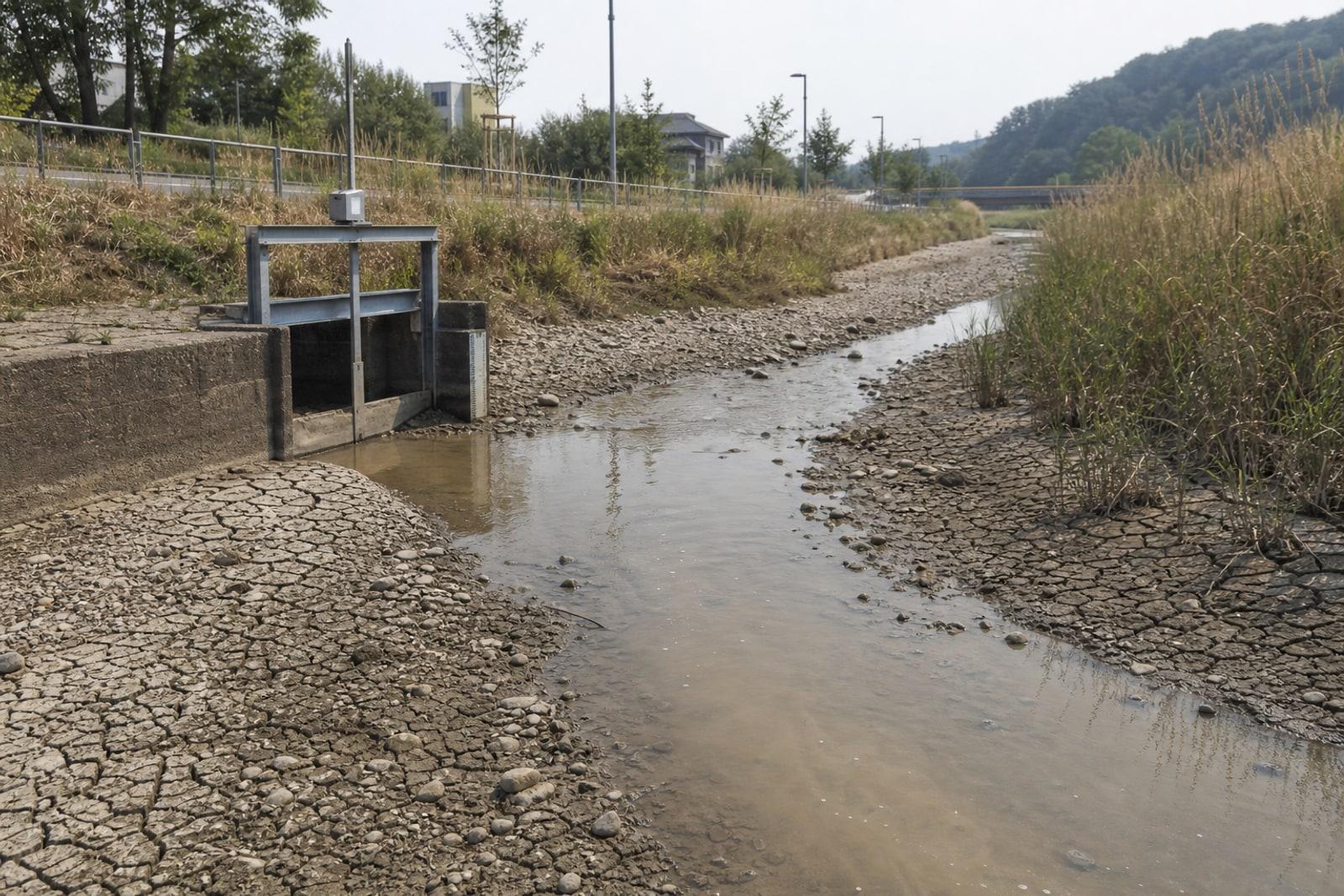
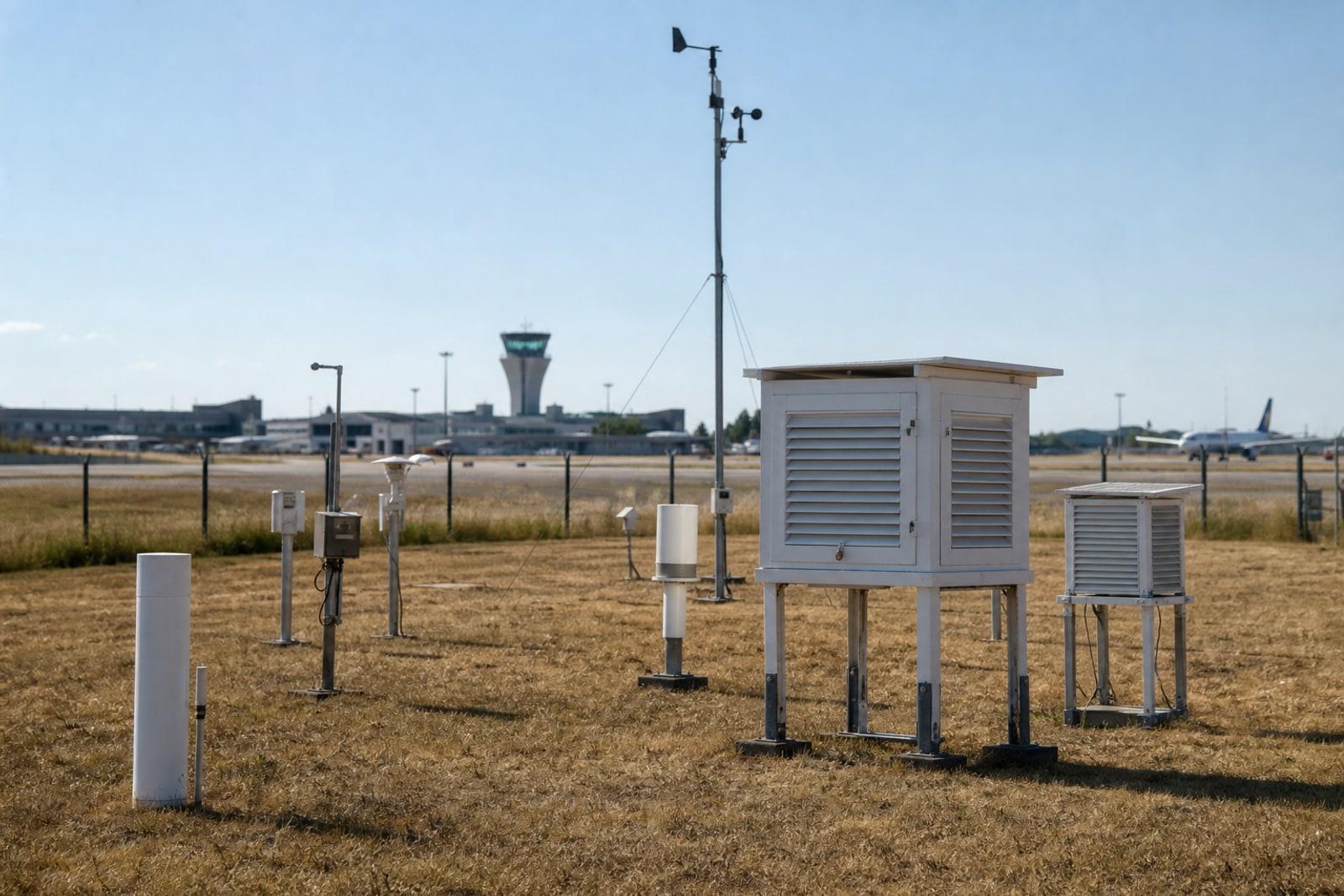
As an exceptional heatwave baked Luxembourg in late June, its rivers were among the first casualties. On 26 June, the country's Water Management Administration (AGE) warned that soaring temperatures had driven dissolved oxygen in the nation's watercourses down to critical levels, threatening aquatic life and making localised fish die-offs highly likely if the heat held. At some monitoring stations, water temperatures had already climbed above 25°C — a punishing figure for rivers this far north.
The warning landed against a bleak scientific backdrop. Long before this summer's heat, Luxembourg's rivers were already among the least healthy in Europe by the yardstick that matters most in EU law: the share of water bodies in "good" ecological status. On that measure, the Grand Duchy sits close to the bottom of the class.
A heatwave the rivers could not shrug off
The AGE said the extreme temperatures had caused a marked deterioration in Luxembourg's watercourses, singling out a critical fall in dissolved oxygen — the gas aquatic organisms need to survive. Warmer water holds less oxygen, and when flows are low and the sun relentless, the margin for fish and invertebrates narrows quickly.
Fish are particularly vulnerable and local fish mortality is highly likely if the situation persists.
The administration urged sanitation syndicates, industry and any facility discharging into rivers to conserve water and take preventive steps, and cautioned that a temporary, nationwide ban on drawing water from rivers could follow if levels kept dropping. It noted that stretches of river that have been restored to a more natural state — with shade, meanders and floodplains — cope better during heatwaves than channelised ones.
The episode was part of a broader European heatwave. Luxembourg had been placed under a red weather alert on 22 June, with forecast average temperatures of 35°C to 40°C and little overnight relief; across the border, Germany logged an all-time national high of 41.3°C on 27 June.
A failing report card under EU law
The heat merely sharpened a chronic problem. Under the EU Water Framework Directive, adopted in 2000, member states must bring their rivers, lakes and groundwater to "good" ecological and chemical status. The latest reporting compiled by the European Environment Agency (EEA) places Luxembourg among the handful of river basin districts where more than 90% of surface waters fall short of good status — effectively none of its rivers reach the "good" or "high" bands, and close to 40% sit in the lowest, "bad" category. For comparison, only about 40% of the EU-27's surface waters met the good-status bar.
Researchers at the Luxembourg Institute of Science and Technology (LIST) have documented the same shortfall from the ground up. Contributing to a 2023 study in Nature — The recovery of European freshwater biodiversity has come to a halt — LIST ecologists analysed 1,816 biological time series from 22 European countries between 1968 and 2020. The picture was one of real gains that then stalled: freshwater life recovered strongly from the 1960s as pollution was tackled, but most of that improvement happened before 2010, after which progress plateaued.
A follow-up analysis of river invertebrate communities across some 1,365 sites in 23 countries reached a similar verdict for the continent as a whole.
"While there are signs of progress, including reductions in pollution and habitat restoration efforts, 60 to 80% of European rivers still fall short of meeting the stringent criteria for good ecological conditions."
That was the assessment of LIST conservation biologist Alain Dohet, who has said Luxembourg is no exception: despite considerable effort to cut organic pollution — largely through better wastewater treatment — the required good status has still not been achieved on average. The gains in water quality, moreover, have not automatically translated into thriving ecosystems. "Just because the quality of rivers has improved in recent decades, it doesn't mean that biodiversity improved as well everywhere," said LIST researcher Sarah Vray.
The pressures dragging Luxembourg's waters down are familiar across Europe: physical alteration of river channels, diffuse pollution from farmland, and airborne deposition. Pesticides and their breakdown products are a particular reason the country fails to reach good chemical status.
The 2027 deadline, and a scramble to act
What makes the numbers more than an academic embarrassment is the calendar. The Water Framework Directive sets a final deadline of 2027 for member states to reach good status, after two earlier extensions. On current form, Luxembourg — like much of the bloc — is a long way from compliance, leaving it exposed to legal and political pressure from Brussels.
The government's main answer is renaturation: undoing decades of straightening and hemming-in that stripped rivers of their natural resilience. In November 2025, Environment Minister Serge Wilmes, alongside Home Affairs Minister Léon Gloden, launched a national round table, the "Renaturéierungsdësch," to accelerate the restoration of watercourses, remove obsolete weirs and dams, reduce flooding and feed into Luxembourg's next management plan under the directive. Ministers have framed the work as a climate-adaptation measure as much as a nature one — and this June's heat, which the AGE said restored rivers weathered better, offered an unusually literal demonstration of why.
For now, the rivers are being watched station by station, temperature reading by temperature reading. Residents can track levels at inondations.lu, while scientists warn that summers like this one are a preview, not an aberration — and that Luxembourg's binding target is now barely a year away.
Frequently asked
- How hot did Luxembourg's rivers get during the June 2026 heatwave?
- The Water Management Administration reported that at some monitoring stations water temperatures exceeded 25°C, driving dissolved oxygen down to critical levels and making localised fish die-offs likely.
- What share of Luxembourg's rivers meet the EU's 'good' ecological status?
- According to European Environment Agency reporting, more than 90% of Luxembourg's surface waters fall short of good status, with effectively none rated 'good' or 'high' — among the weakest records in the EU, where about 40% of surface waters meet the bar.
- What deadline does Luxembourg face under EU water law?
- The EU Water Framework Directive requires member states to bring water bodies to good ecological and chemical status by a final deadline of 2027.
- What is Luxembourg doing about it?
- The government launched a national river-renaturation round table, the 'Renaturéierungsdësch', in November 2025 to restore watercourses, remove obsolete dams, cut flood risk and prepare its next management plan under the directive.
Sources(8)
- 1Heatwave Pushes Luxembourg Rivers to Critical Oxygen LevelsChronicle.lu · chronicle.lu
- 2Water Quality and Biodiversity in Europe's Rivers: A Tale of Progress and ChallengesLuxembourg Institute of Science and Technology (LIST) · list.lu
- 3New study published in Nature shows restoration of European rivers might have lost momentumLuxembourg Institute of Science and Technology (LIST) · list.lu
- 4Ecological status of surface waters in EuropeEuropean Environment Agency · eea.europa.eu
- 5Ecological status of surface waters in the EU-27 (Europe's environment 2025)European Environment Agency · eea.europa.eu
- 6Red alert: Exceptional heatwave until the end of the weekThe Luxembourg Government (gouvernement.lu) · gouvernement.lu
- 7Premier 'Renaturéierungsdësch': Serge Wilmes mise sur la nature pour renforcer la résilience climatiqueLe gouvernement luxembourgeois · gouvernement.lu
- 8Luxembourg to Strengthen Climate Resilience Through River RenaturationChronicle.lu · chronicle.lu
Related by topic