Middle East
Iran Calls War-Ending Deal a 'Declaration of US Defeat' as Truce Holds
Tehran's chief negotiator framed the Islamabad Memorandum as an American humiliation, as a dispute over nuclear inspections exposed how fragile the truce remains — and Europe watched oil prices fall.
By Camille Reuter · · 5 min read
Iran has cast the agreement that ended its three-and-a-half-month war with the United States and Israel as an American capitulation, even as the two sides openly contradicted each other this week over the terms of the truce that is supposed to hold it together.
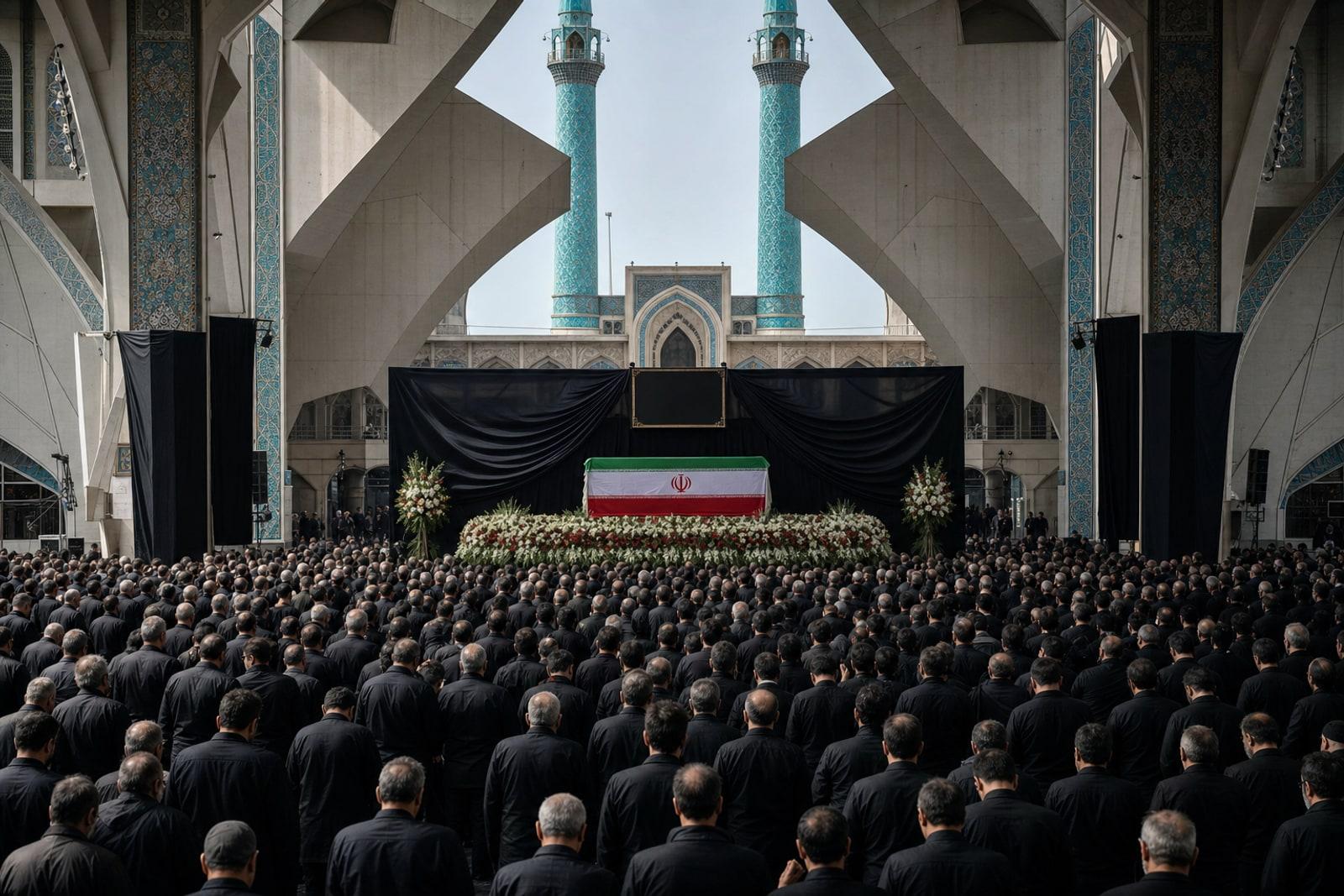
Mohammad Bagher Ghalibaf, the speaker of Iran's parliament and the head of Tehran's negotiating team, told an audience that the Pakistan-mediated accord, known as the Islamabad Memorandum, amounted to a defeat for Washington. "The Islamabad understanding was not the result of pressure and coercion, but rather the result of the resistance and authority of the brave Iranian nation," he said, according to The Times of Israel, adding that the memorandum "became a declaration of America's defeat."
The framing is politically essential for a leadership that needs to sell painful concessions at home. But it sits awkwardly against the actual text of the deal — and against a public row, playing out the same week, over whether United Nations inspectors will be allowed back into Iran's bombed nuclear sites at all.
What the Islamabad Memorandum actually says
The war began on 28 February 2026, when the United States and Israel launched coordinated airstrikes on Iran. A ceasefire brokered by Pakistan took hold on 8 April and was repeatedly extended before the two presidents — Donald Trump and Masoud Pezeshkian — signed the framework remotely on 17 June. Trump put his name to it at the Palace of Versailles after the G7 summit; Pakistani Prime Minister Shehbaz Sharif was the lead mediator, with Qatar, Saudi Arabia, Turkey and Egypt also involved.
The 14-point framework is a set of mutual concessions:
- Iran reaffirms that it will not develop or acquire nuclear weapons, agrees to down-blend its stockpile of enriched uranium under IAEA supervision, holds its nuclear programme at the status quo during a 60-day window, and reopens the Strait of Hormuz to commercial shipping.
- The United States halts military strikes immediately, lifts its naval blockade within 30 days, waives oil-export sanctions — effective from 21 June — releases frozen Iranian assets, and commits to a reconstruction fund.
Iran's ballistic-missile programme and its regional proxy network were left out of the document, deferred to later talks.
The Islamabad Memorandum of Understanding became a declaration of America's defeat.
A truce still being argued over
The most immediate test is the nuclear-inspections question, and here the two governments are not even telling the same story. US Vice-President JD Vance described Iran's agreement to readmit inspectors from the International Atomic Energy Agency as a "major milestone." Yet Iran's foreign ministry spokesman, Esmaeil Baghaei, said Tehran had held no meeting with IAEA chief Rafael Grossi and had no plans to let the watchdog examine its damaged facilities. Grossi, for his part, has insisted the inspections will go ahead and that his agency is working out the modalities.
That gap matters because verification is the spine of the deal. Without IAEA access, the central Western claim — that Iran's enrichment is being contained — cannot be confirmed, and the sanctions relief that Tehran prizes could be challenged. The earlier ceasefire had already buckled once before this framework was reached, a reminder that the peace is a sequence of 30- and 60-day commitments rather than a settled order.
Tehran's pragmatists against its hardliners
Behind the victory language, Iran's establishment is visibly divided. Pezeshkian and Ghalibaf have presented the accord as a step toward what the speaker called "final victory." Hardliners see surrender. Lawmakers of the Paydari Front, the faction that styles itself the guardian of the 1979 revolution, have condemned the deal: one warned it would reduce Iran to "a colony of the United States," another called it "hasty and weak," and the hardline daily Kayhan denounced it as "surrendering to the Great Satan." Principlist protesters gathered outside the foreign ministry.
Analysts caution against reading the noise as instability. Alex Vatanka of the Middle East Institute argued that "the hardliners are loud, but they have a weak case to make," while the Iran analyst Arash Azizi said real authority now rests with a collective leadership centred on Ghalibaf, the Revolutionary Guards and the Supreme National Security Council — a structure prioritising regime survival over ideology. For Europe, the salient point is that the people defending the deal are also the people who can deliver it.
Why Europe is watching
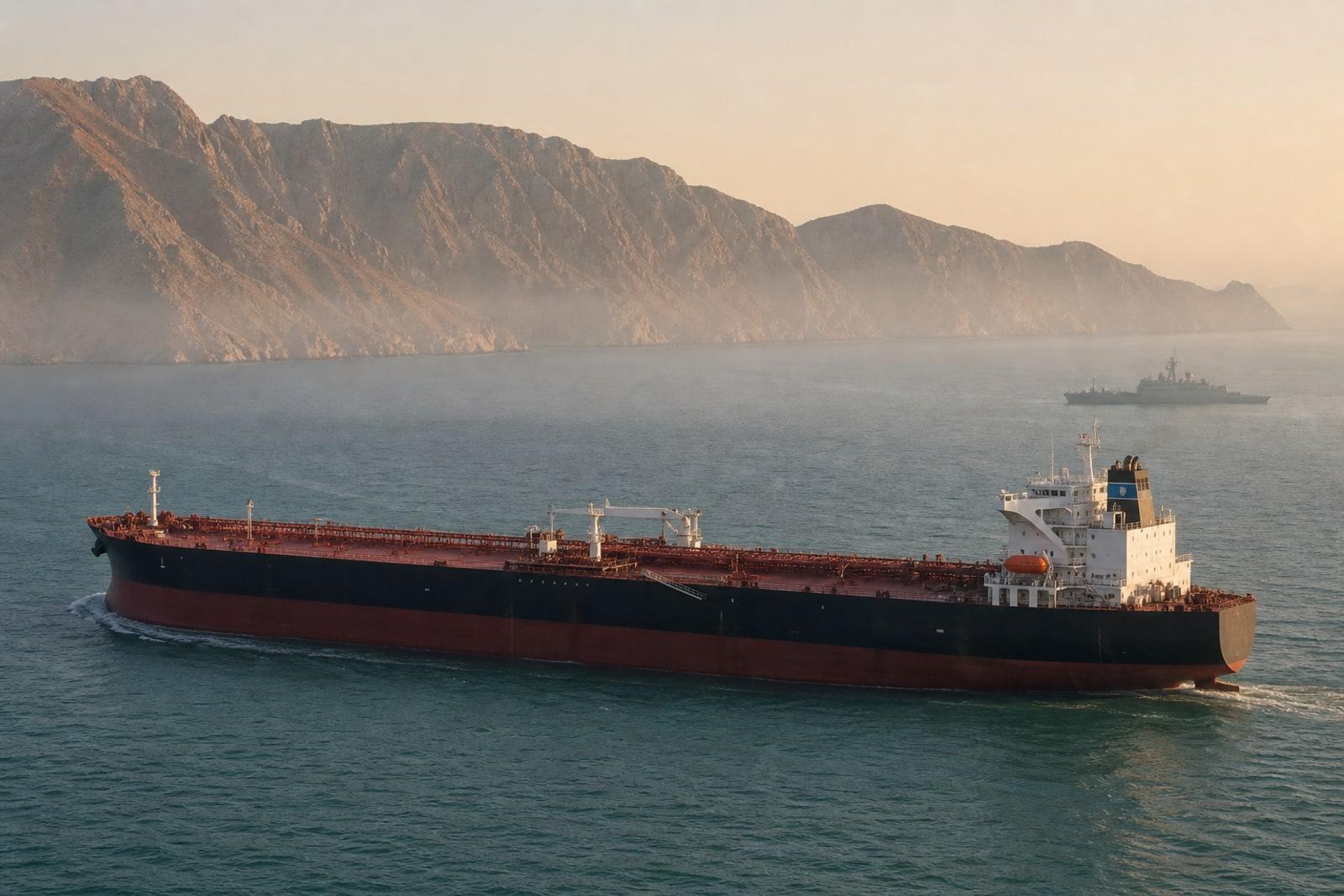
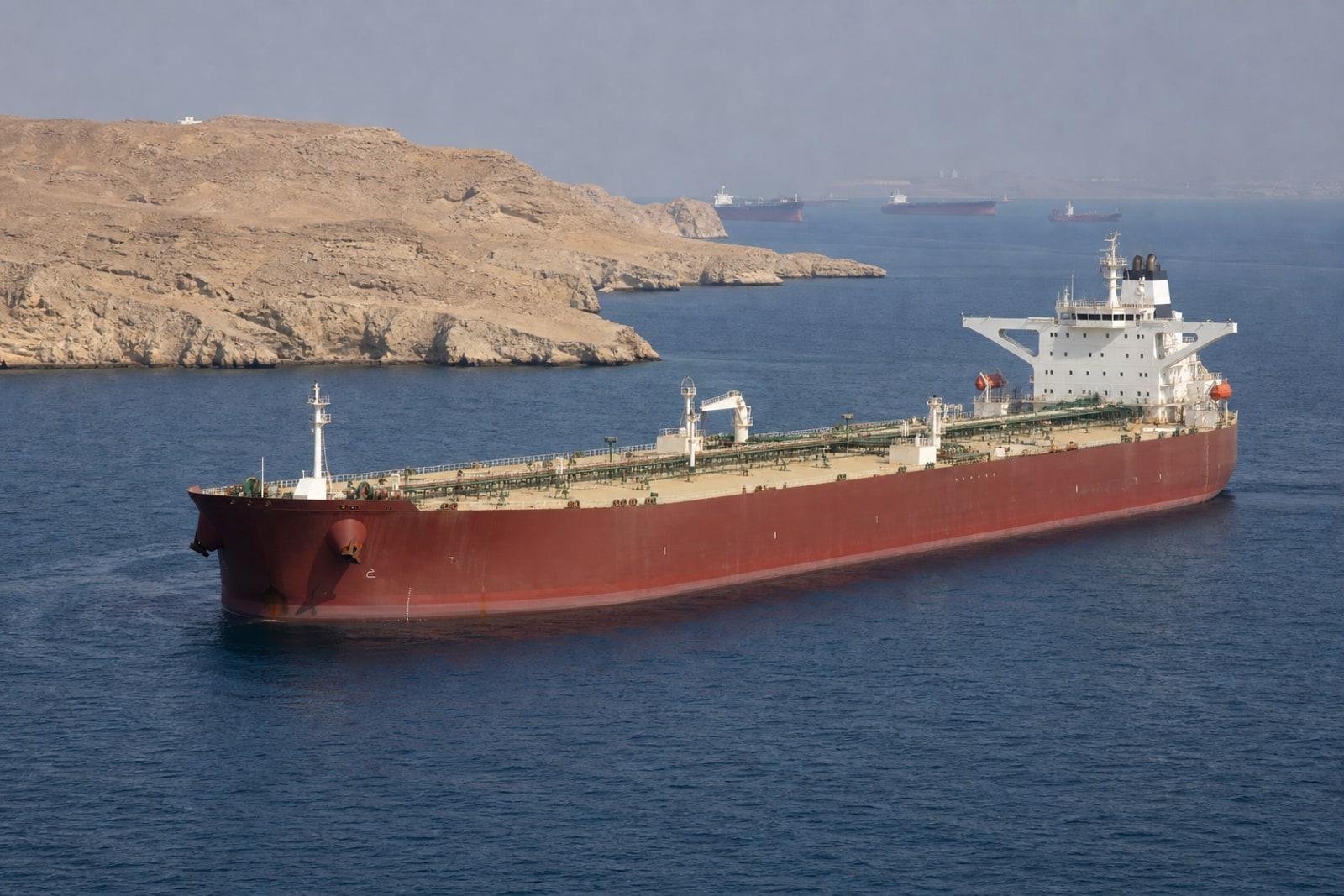
The clearest European dividend is in the oil market. At the height of the war, Iran's closure of the Strait of Hormuz — the conduit for a large share of seaborne crude — triggered what the International Energy Agency estimated as a daily shortfall of about 14 million barrels, with more than 500 vessels waiting to leave the Gulf. Brent crude briefly spiked above $81 a barrel. As the framework was signed, prices slid: Brent's August contract stood at $77.73 on 18 June, down roughly 20 percent from its 2026 peak, and fell further after Washington authorised Iranian crude sales. "There is a notable divergence between sentiment and physical supply — production ramp-up and logistics normalisation will take time," cautioned Fabien Yip, an analyst at IG, signalling that lower prices are not yet locked in.
European diplomacy, sidelined during the fighting, has rallied behind the outcome. The EU's foreign-policy chief, Kaja Kallas, called the truce "a step back from the brink after weeks of escalation," and Commission President Ursula von der Leyen welcomed the "much-needed de-escalation." France's Emmanuel Macron and Germany's Friedrich Merz pressed for a durable settlement, with Paris insisting that Lebanon, where Israel says it reserves freedom of action, be folded into any lasting peace.
For now, the contradictions are doing the work that ambiguity often does in ceasefires: letting each side claim what it needs. Tehran can call it an American defeat; Washington can call it disarmament; Brussels can call it stability. Whether the Islamabad Memorandum survives its first 60 days will depend on something more prosaic than rhetoric — whether IAEA inspectors actually walk through the gates of Iran's nuclear sites.
Frequently asked
- Who called the deal a 'declaration of US defeat'?
- Mohammad Bagher Ghalibaf, the speaker of Iran's parliament and head of Tehran's negotiating team, said the Islamabad Memorandum 'became a declaration of America's defeat,' framing the war-ending accord as an American humiliation rather than an Iranian concession.
- What does the Islamabad Memorandum require from each side?
- Iran reaffirms it will not build nuclear weapons, agrees to down-blend its enriched uranium under IAEA supervision and reopens the Strait of Hormuz. The US ends its strikes, lifts its naval blockade, waives oil-export sanctions and releases frozen Iranian assets.
- Why does the deal matter for Europe?
- The reopening of the Strait of Hormuz has eased a major oil-supply shock: Brent crude has fallen roughly 20% from its 2026 high, helping stabilise European energy costs. EU diplomats have welcomed the de-escalation while pressing for a durable settlement.
- Is the ceasefire secure?
- Not yet. The US and Iran publicly disagree over whether IAEA inspectors will be allowed back into Iran's nuclear sites, and the framework rests on short 30- and 60-day commitments, leaving verification — and the peace — unresolved.
Sources(12)
- 1Deal a 'declaration of US defeat,' chief Iran envoy says, as IAEA vows inspectionsThe Times of Israel · timesofisrael.com
- 2Iran says deal to end Mideast war 'declaration of US defeat'The Standard (Hong Kong) · thestandard.com.hk
- 3Iran war live: Tehran says deal to end war a 'declaration of US defeat'Al Jazeera · aljazeera.com
- 4Islamabad MemorandumWikipedia · en.wikipedia.org
- 52026 Iran war ceasefireWikipedia · en.wikipedia.org
- 62026 Iran warWikipedia · en.wikipedia.org
- 7Oil prices fall, stocks rally as US, Iran sign framework to end warAl Jazeera · aljazeera.com
- 8Oil prices fall after U.S. authorizes Iranian crude salesCNBC · cnbc.com
- 9Iran hardliners rage over US deal, but experts say regime is closing ranksIran International · iranintl.com
- 10World welcomes US-Iran ceasefire, urges lasting peace in the Middle EastAl Jazeera · aljazeera.com
- 11Contradicting Trump and Vance, Iran says no plans for IAEA inspections, asserts sovereignty at HormuzThe Times of Israel · timesofisrael.com
- 12US-Iran ceasefire and nuclear talks in 2026UK House of Commons Library · commonslibrary.parliament.uk
Related by topic