Climate
Europe's heatwave was 'virtually impossible' without climate change, scientists find
A rapid World Weather Attribution analysis says fossil-fuelled warming made the late-June heat up to 3.5°C hotter — and every Luxembourg city it studied broke its heat-stress record.
By Léa Hoffmann · · 4 min read
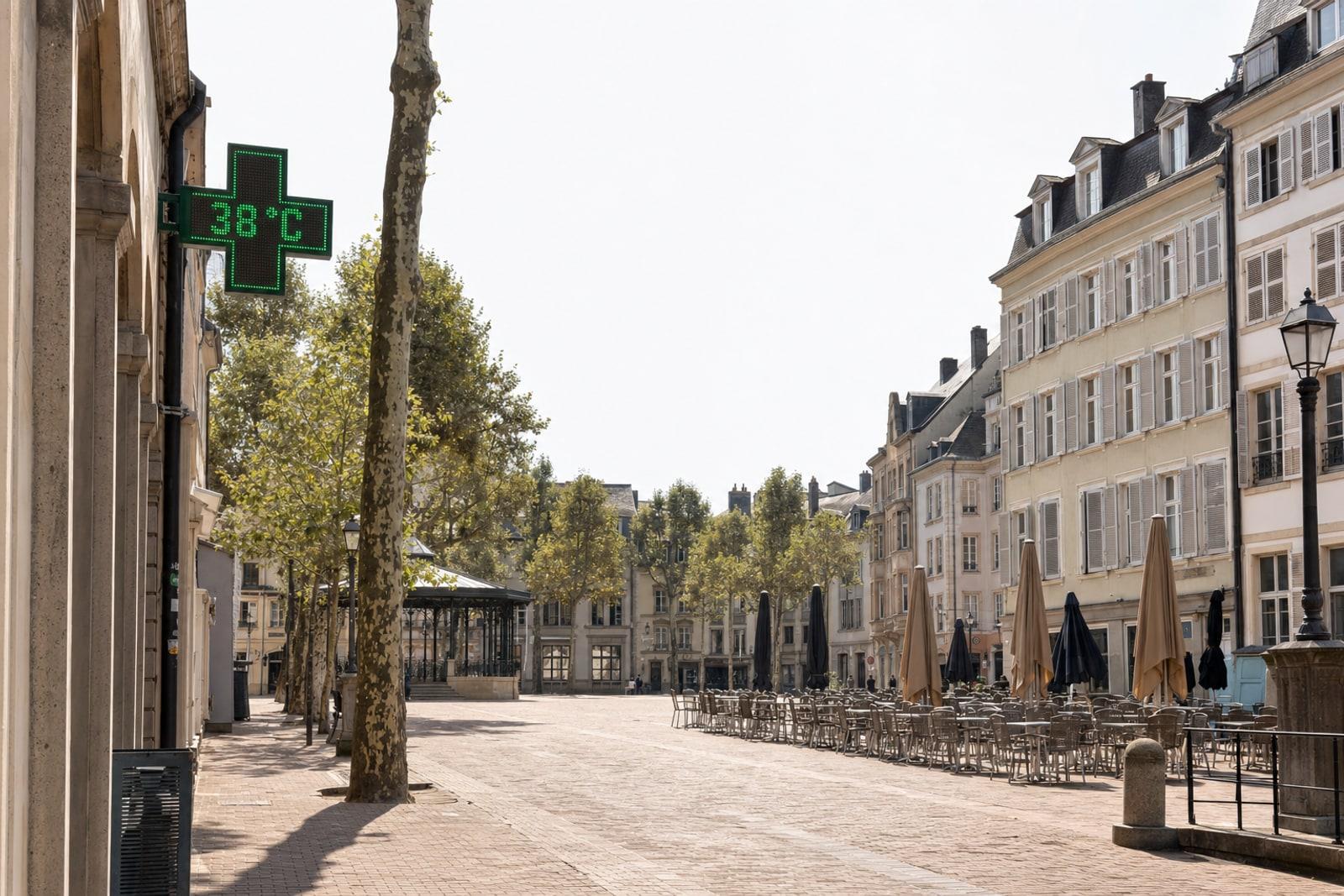
The blistering heat that pushed Luxembourg to a record 36.3°C and put the whole country under a red weather alert over its National Day was not merely a cruel quirk of summer. According to a rapid scientific analysis published on 26 June, the late-June heatwave roasting Western Europe would have been "virtually impossible" without human-caused climate change.
The assessment, by the World Weather Attribution (WWA) network, concludes that fossil-fuelled warming has made the current heat the most severe and widespread ever recorded on the continent. Studying the period from 18 to 29 June across France, Germany, Italy, Spain and southern England, the researchers found that daytime temperatures were roughly 3.5°C hotter than an identical weather pattern would have produced about 50 years ago, and around 2°C hotter than in 2003.
Europe's hottest days, the study notes, are now warming about three times faster than the global average, while the sweltering nights that deny the body any chance to recover are warming around twice as fast. The weather system parked over the continent, in other words, is ordinary; the temperatures it is now delivering are not.
"This event would not have been possible in June without climate change," said Theodore Keeping, a researcher at Imperial College London and the analysis's lead author.
Tens to hundreds of times more likely
The picture the scientists paint is one of risk rising at speed. Heat of this intensity is now "tens to hundreds of times more likely" than it was just a generation ago, the team found, and would have been virtually impossible 50 years ago. Overnight extremes are roughly 100 times more likely than during the deadly European heatwave of 2003, while daytime peaks have become about tenfold more probable.
To gauge the strain on the human body, the researchers analysed the wet-bulb globe temperature — a heat-stress index that combines temperature, humidity, wind and direct sunlight — across 854 cities in 30 European countries. About 45% had broken, or were on course to break, their all-time June heat-stress records since 18 June. In three countries the picture was absolute: in the Czech Republic, Lithuania and Luxembourg, every city examined hit unprecedented levels.
Friederike Otto, the Imperial College London climate scientist who co-founded WWA, put the finding bluntly: "The weather pattern itself is not particularly unusual, but the temperatures are – or at least they used to be without human-induced climate change." With the planet now about 1.4°C warmer than in pre-industrial times, the analysis warns, extreme heat is fast approaching the limits of what European societies are built to withstand.
A red alert over National Day
For Luxembourg, the abstractions of attribution science arrived as lived experience. The national weather service, MeteoLux, placed the entire country under a red heat warning from midday on Monday 22 June, the highest level on its scale, and later extended it through the end of the week. Forecasters expected highs of 36°C to 38°C in the south, locally nudging 40°C, with nights offering very little relief and no meaningful rain.
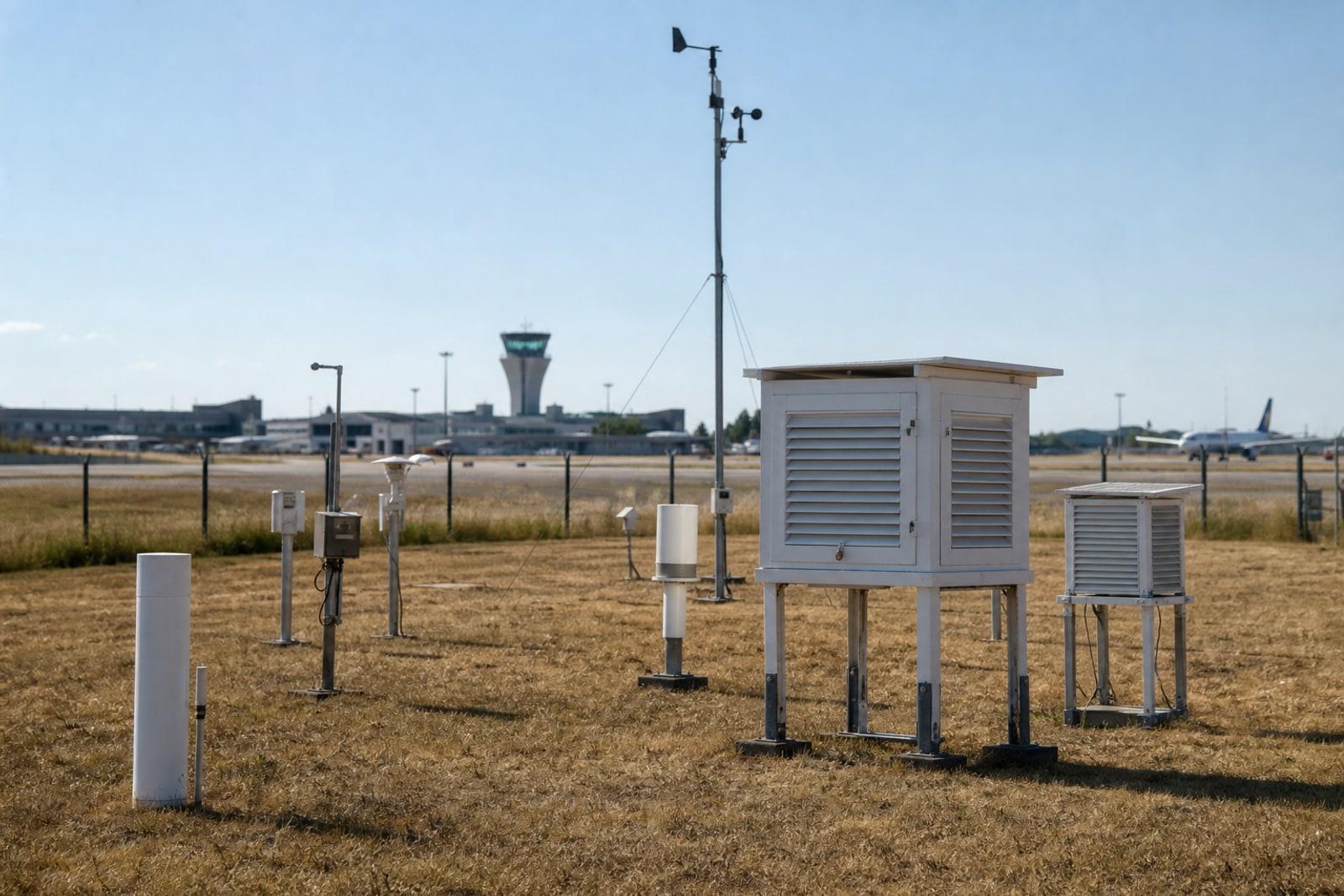
The warning landed squarely on National Day, 23 June, normally a moment of outdoor celebration. Two days later the Findel-Airport station recorded 36.3°C — the hottest June temperature measured in the Grand Duchy since records began in 1947, eclipsing the previous June high set in 2017. Luxembourg stood alongside the United Kingdom, Germany, France, Spain and Switzerland in issuing top-level red alerts as records tumbled across the continent.
Authorities urged residents to drink at least 1.5 litres of water a day, stay out of the sun between 11:00 and 21:00, keep their homes cool, avoid alcohol and check on the elderly, the isolated and the very young — the groups heat kills first.
A mounting death toll
Those warnings are grounded in a grim recent record. The WWA team cites roughly 2,300 deaths across 12 European cities during the first June heatwave of 2026 alone. Looking further back, more than 60,000 people are estimated to have died from heat in Europe in the summer of 2022, and over 47,000 the following year — a toll that places extreme heat among the continent's deadliest natural hazards, even as it remains largely invisible compared with floods or storms.
Public-health specialists stress that awareness has improved but protection has not kept pace. "People in Europe are far more aware of heat risks than they were in the past, but awareness alone is not enough," said Carolina Pereira Marghidan, a heat and health expert at the Red Cross Red Crescent Climate Centre.
The scientists are explicit about the lesson. Each fraction of a degree of warming, driven overwhelmingly by the burning of coal, oil and gas, loads the dice further toward heatwaves that were once unthinkable in June. For Luxembourg and its neighbours in the Greater Region, the analysis suggests, the kind of week just endured is not an aberration to be weathered and forgotten, but a preview of summers to come unless emissions fall.
Frequently asked
- Who concluded the European heatwave was made worse by climate change?
- World Weather Attribution, an international scientific network hosted at Imperial College London's Grantham Institute, with contributors based in Sweden, Denmark, the United States, the Netherlands, Ireland and the United Kingdom. Its rapid analysis, led by Theodore Keeping, was published on 26 June 2026.
- How much hotter did climate change make the heatwave?
- The study estimates daytime temperatures were about 3.5°C hotter than the same weather pattern would have produced roughly 50 years ago, and around 2°C hotter than in 2003. Europe's hottest days are warming about three times faster than the global average.
- How did the heatwave affect Luxembourg?
- MeteoLux placed the whole country under a red heat alert from 22 June, extended through the week. The Findel-Airport station recorded 36.3°C on 25 June, the hottest June temperature since records began in 1947, and every Luxembourg city in the study broke its heat-stress record.
- How many people does extreme heat kill in Europe?
- The analysis cites about 2,300 deaths across 12 European cities during June 2026's first heatwave. More broadly, over 60,000 heat-related deaths were estimated in Europe in summer 2022 and more than 47,000 in 2023.
Sources(12)
- 1Fossil fuel emissions have rapidly worsened European heatwaves in just a few decadesWorld Weather Attribution · worldweatherattribution.org
- 2Heatwave in Europe is the most severe ever recorded - studyRTÉ · rte.ie
- 3Climate change the culprit for Europe's 'most severe' heatwave: ReportAl Jazeera · aljazeera.com
- 4Europe's record-shattering heat wave would have been 'virtually impossible' just a few decades agoCNN · cnn.com
- 5Europe's record heatwave: does the continent have a new climate?Nature · nature.com
- 6Media reaction: How climate change intensified Europe's record-breaking June heatCarbon Brief · carbonbrief.org
- 7Ongoing European Heatwave 'Virtually Impossible' 50 Years AgoEarth.org · earth.org
- 8Red alert: Exceptional heatwave until the end of the weekThe Luxembourg Government (gouvernement.lu) · gouvernement.lu
- 9Red Weather Alert: Heatwave Pushes Temperatures to 38°CChronicle.lu · chronicle.lu
- 10Unprecedented June heat grips Europe this weekYale Climate Connections · yaleclimateconnections.org
- 11Luxembourg Record High and Low Temperature Map and ListPlantmaps · plantmaps.com
- 12Records fall as extreme heat grips EuropeWorld Meteorological Organization · wmo.int
Related by topic