European Union
France and Germany Clash in Luxembourg Over EU's 2035 Combustion-Engine Deadline
At the Environment Council in Luxembourg, Paris defended the bloc's 2035 phase-out of new combustion cars while Berlin and Rome pressed for more flexibility on e-fuels and hybrids.
By Camille Reuter · · 4 min read
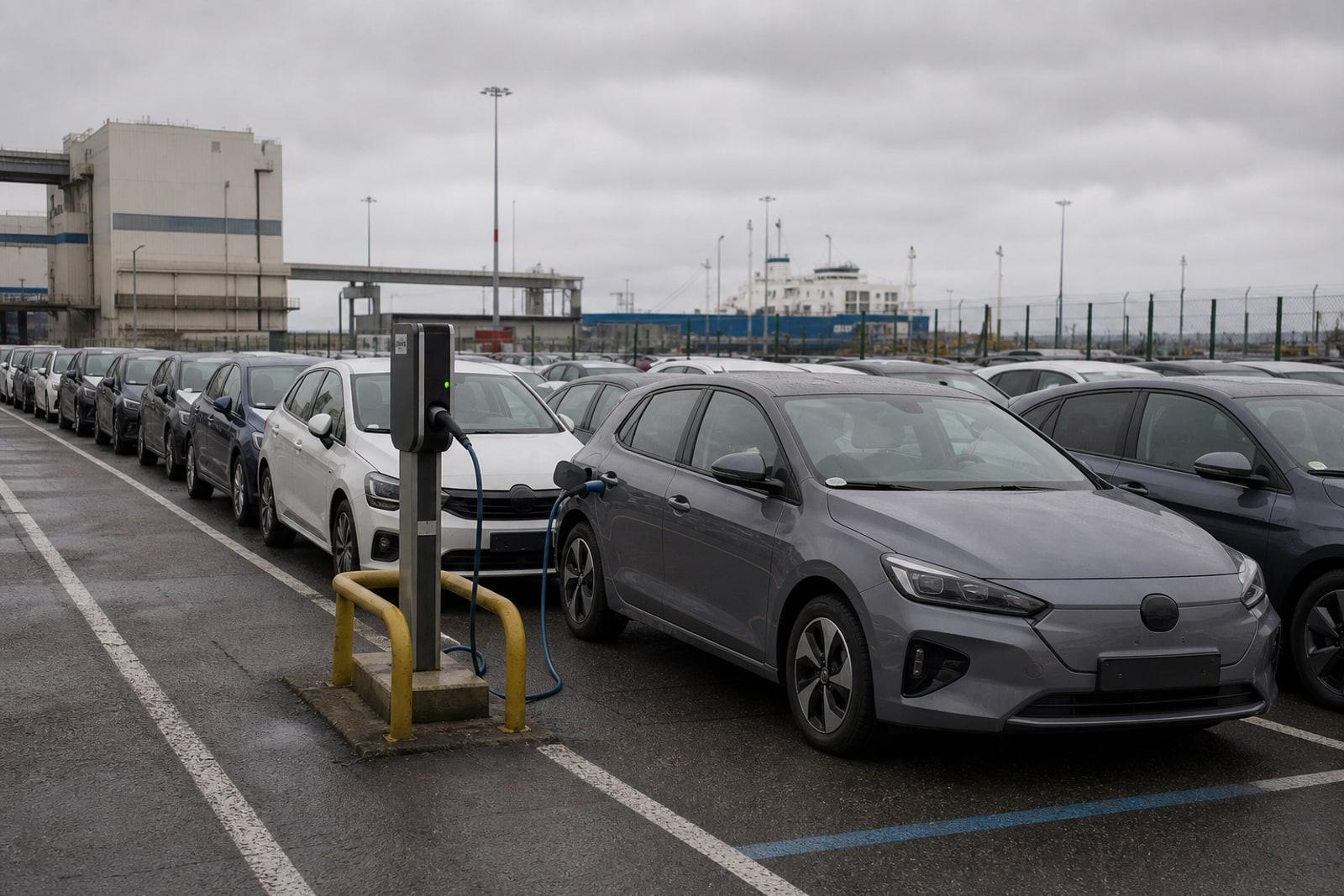
European Union environment ministers meeting in Luxembourg on Thursday exposed a deepening rift between France and Germany over the bloc's signature climate-and-industry deadline: the planned 2035 end of sales of new combustion-engine cars. The clash, played out at the Environment Council under the Cypriot EU presidency, will help decide whether one of the Green Deal's most consequential rules survives intact.
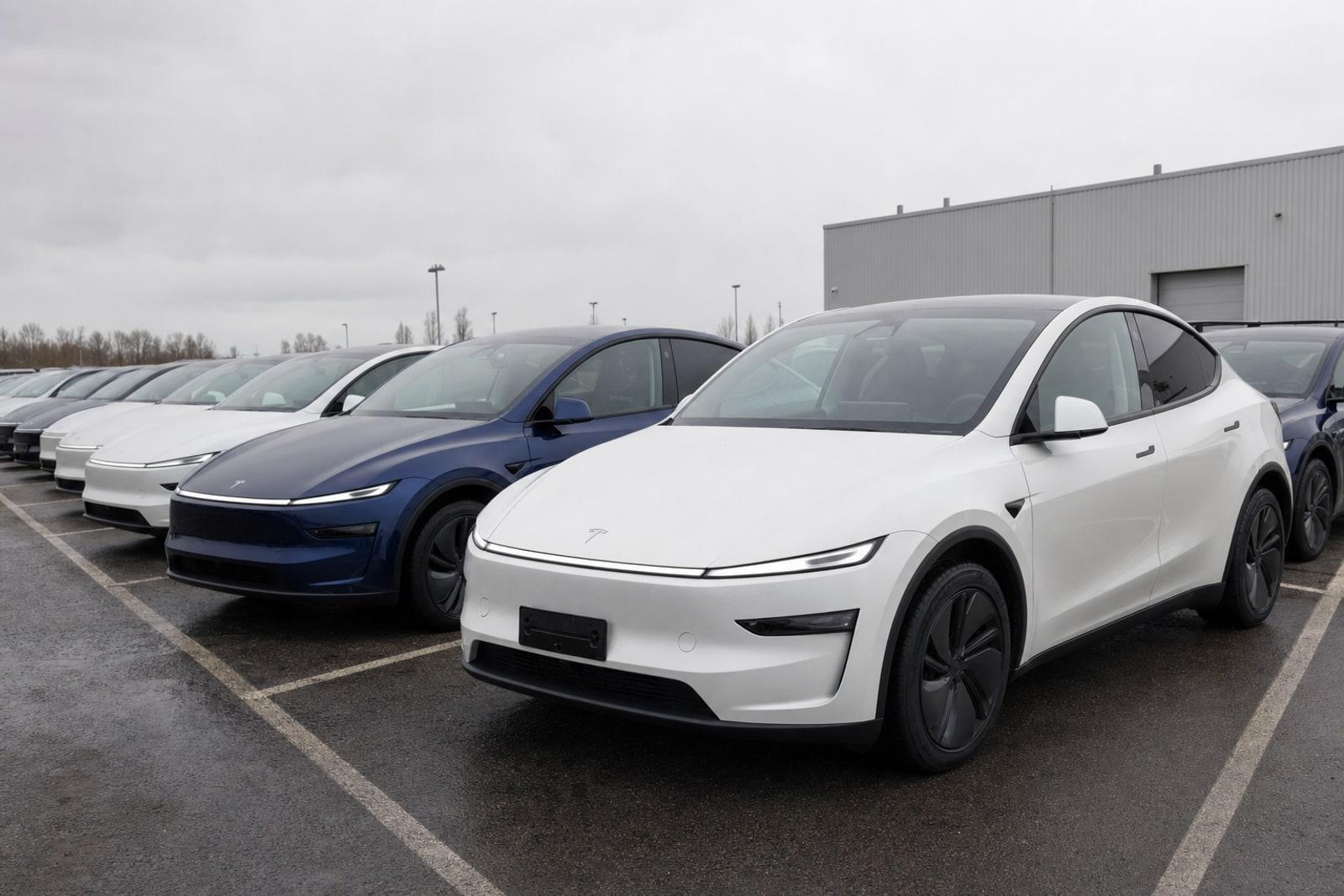
On the table was the European Commission's December 2025 proposal to loosen the target. Rather than the 100% cut in tailpipe CO2 from 2035 agreed in 2023 — which effectively banned new petrol and diesel cars — the executive now wants a 90% reduction, with the remaining tenth offset through e-fuels, biofuels and low-carbon steel made in the EU. Berlin and Rome want the EU to go further still; Paris and Stockholm want it to hold the line.
A Franco-German split on display
Germany and Italy used the Luxembourg meeting to press for additional flexibility, with Rome arguing for a wider role for biofuel-powered vehicles rather than an all-electric path. Italy's deputy environment minister, Vannia Gava, framed the case as one of industrial risk.
Having a European strategy focused on one technology is going to put us at risk in the future.
France took the opposite view. Monique Barbut, appointed France's minister for ecological transition in October 2025, warned that diluting the rules would send a "terrible signal" and delay the investment European manufacturers need to compete with Chinese and American rivals on electric vehicles, according to Reuters. Paris signalled it would do all it could to block the rollback when it comes to a vote among member states. Sweden was among the countries siding with France in defending the existing trajectory.
Climate Commissioner Wopke Hoekstra, who has cast the December package as a way of "staying the course towards zero-emissions mobility" while "introducing some flexibilities," suggested the political case for retreat is weakening as electric cars sell faster than expected.
"The numbers are truly spectacular. Electric vehicle sales, particularly in the three largest markets, but also second-hand (are) truly very impressive."
Hoekstra acknowledged that the surge had prompted some governments and lawmakers to ask whether the softening was even needed. "Some have indeed been saying, both member states and the European Parliament, 'Isn't this a sign that the status quo was already good enough?'" he said, per Reuters. The picture is uneven, however: EV sales in Poland fell 26% last month, underlining how unevenly the transition is spreading across the bloc.
What the Commission has put on the table
The revision, unveiled on 16 December 2025 as part of a broader "automotive package," would reshape what carmakers can sell after 2035. Its main elements include:
- A 90% target, not 100%: new cars must cut tailpipe CO2 by 90% from 2035, down from a full ban.
- Offsets for the last 10%: the remainder can be covered using e-fuels, biofuels and low-carbon EU-made steel.
- A lifeline for combustion: plug-in hybrids, range extenders, mild hybrids and conventional combustion cars could still be sold after 2035, alongside battery-electric and hydrogen models.
- Incentives and easing elsewhere: "super credits" for small, affordable EVs built in the EU, a softer 2030 van target of 40% instead of 50%, and national targets for greener corporate fleets.
Supporters in industry and in Berlin call the approach technology-neutral. When the proposal landed, German Chancellor Friedrich Merz welcomed "more openness to technology and more flexibility," while Environment Minister Carsten Schneider said it gave carmakers "greater leeway to manage the transition to the electric future." Critics counter that allowing combustion engines to persist on the promise of scarce, expensive synthetic fuels risks slowing electrification just as European producers need scale to catch up.
The road to a vote
Thursday's session in Luxembourg was a stock-take, not a decision. The Commission proposal must still be agreed jointly by the European Parliament and the member states in the Council under the EU's ordinary legislative procedure, with each institution now fixing its negotiating position during the first half of 2026 before talks converge. The Cypriot presidency, which holds the Council chair until July, has been steering the file since January.
The stakes reach well beyond the meeting room. The outcome will shape the model line-ups of Europe's carmakers, the price and choice facing drivers, and the credibility of the EU's wider 2040 and 2050 climate goals, of which road transport is a stubborn component. For now, the bloc's most closely watched deadline rests on whether its two largest economies can be reconciled — a negotiation that, fittingly, is being argued out on Luxembourg soil.
Frequently asked
- What did EU ministers discuss in Luxembourg on 25 June 2026?
- At the Environment Council, EU environment ministers took stock of the Commission's proposed revision of the CO2 standards for cars and vans, exposing a split between France, which defended the 2035 combustion-engine phase-out, and Germany and Italy, which want more flexibility.
- What is the EU's 2035 combustion-engine rule?
- Under the 2023 'Fit for 55' law, new cars and vans must cut tailpipe CO2 by 100% from 2035, effectively ending sales of new petrol and diesel cars. The Commission proposed in December 2025 to lower that to a 90% cut, with the rest offset by e-fuels, biofuels and low-carbon EU steel.
- When will the EU decide on changing the 2035 rules?
- The December 2025 proposal must be agreed by the European Parliament and EU member states under the ordinary legislative procedure. Both institutions are defining their positions during the first half of 2026, with the Cypriot Council presidency steering the talks; no final date is set.
Sources(8)
- 1'Spectacular' electric car sales weaken pressure to roll back combustion engine ban, EU climate chief saysReuters via The Globe and Mail (Kate Abnett and Bart H. Meijer) · theglobeandmail.com
- 2Environment Council, 25 June 2026Council of the European Union (Consilium) · consilium.europa.eu
- 3EU carmakers to comply with 90% emissions reduction by 2035 as full combustion engine ban scrappedEuronews · euronews.com
- 4EU eases stance on post-2035 car emissions rules, drawing mixed reactions from GermanyClean Energy Wire · cleanenergywire.org
- 5Commission takes action for clean and competitive automotive sector (IP/25/3051)European Commission · ec.europa.eu
- 6Germany and Italy launch joint call to soften EU's 2035 new combustion engine car banClean Energy Wire · cleanenergywire.org
- 7Monique BarbutWikipedia · en.wikipedia.org
- 8Carsten SchneiderWikipedia · en.wikipedia.org
Related by topic