Corporate accountability
Cargolux to pay €1.15 million to settle Gabon influence-peddling case
A Luxembourg court approved a €1.15 million penalty against the state-linked freight airline over influence-peddling tied to its operations in Gabon, closing a case Cargolux self-reported in 2015.
By Jonas Thill · · 4 min read
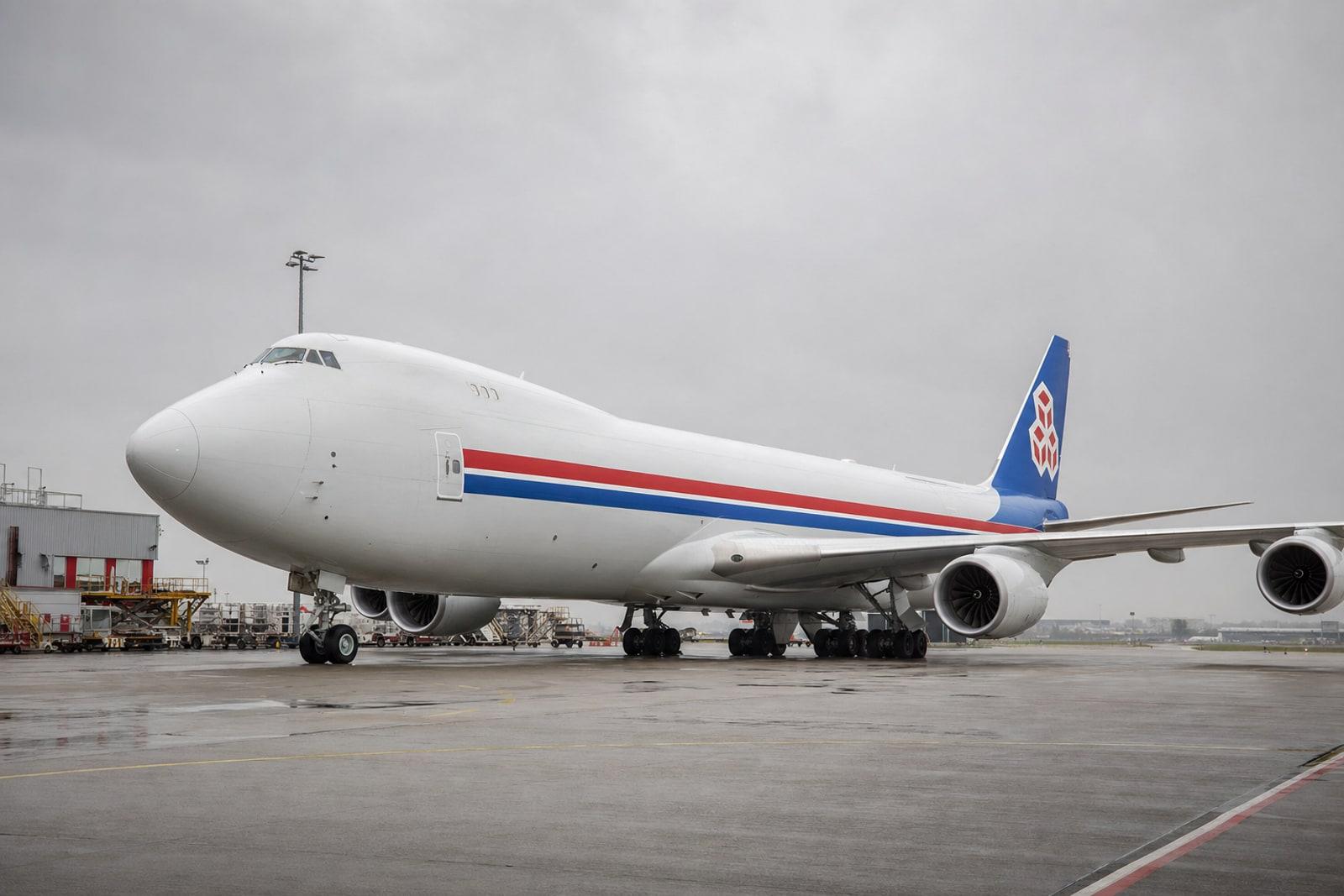
Cargolux, Luxembourg's flag cargo carrier and Europe's largest all-cargo airline, has agreed to pay roughly €1.15 million to close a criminal case over influence-peddling linked to its former operations in Gabon, after a Luxembourg court on 1 July 2026 ratified a negotiated settlement with state prosecutors.
The judgment was handed down by the correctional section of the Luxembourg district court (tribunal d'arrondissement de Luxembourg) as a jugement sur accord — a judge-approved plea procedure agreed between the airline and the State Prosecutor's Office. The penalty combines a fine and a confiscation order totalling about €1.15 million. Crucially, the case targets the company alone: no executives or other individuals were charged.
What the court decided
Prosecutors said the settlement resolved facts qualified as trafic d'influence — influence-peddling, or trading in influence — in connection with activities Cargolux carried out in Gabon between 2010 and 2015. Neither the airline nor the authorities disclosed the mechanics of the conduct or named any counterparties. The court stressed the strictly corporate scope of the outcome.
Luxembourg's justice authorities underlined that the resolution concerned only the legal entity: "Ce dossier concerne exclusivement la personne morale Cargolux Airlines International S.A. et ne vise aucune personne physique" — the file concerns exclusively the legal person Cargolux Airlines International and targets no natural person.
The jugement sur accord mechanism was written into Luxembourg's criminal procedure code by a law of 24 February 2015. It lets prosecutors and a defendant — an individual or a company — agree a resolution for offences punishable by less than five years in prison, subject to a judge's validation in open court. It is the Grand Duchy's closest analogue to the negotiated corporate settlements now common across Europe, though narrower than France's dedicated public-interest agreement for companies.
A self-report that shaped the outcome
Cargolux said it uncovered the conduct itself and reported it to the Luxembourg Public Prosecutor's Office in late 2015, cooperating throughout the ensuing investigation. According to the airline, "the judgment relates only to the company and to conduct between 2010 and 2015 and does not concern any individuals." That voluntary disclosure and cooperation — alongside a decade of compliance overhauls — is what made the negotiated resolution possible, the court indicated.
Cargolux continually reviews and updates its compliance procedures, resulting in strengthened internal controls, enhanced compliance frameworks and governance standards aligned with international best practice.
The carrier added that the judgment "has no impact on its current operations, customer activity or the services it provides to customers," and reaffirmed a commitment to operating ethically, transparently and with integrity. In its French-language statement, the company said the resolution "n'a aucun impact sur les opérations en cours, les activités des clients ou les services qui leur sont fournis."
A state-linked champion in the dock
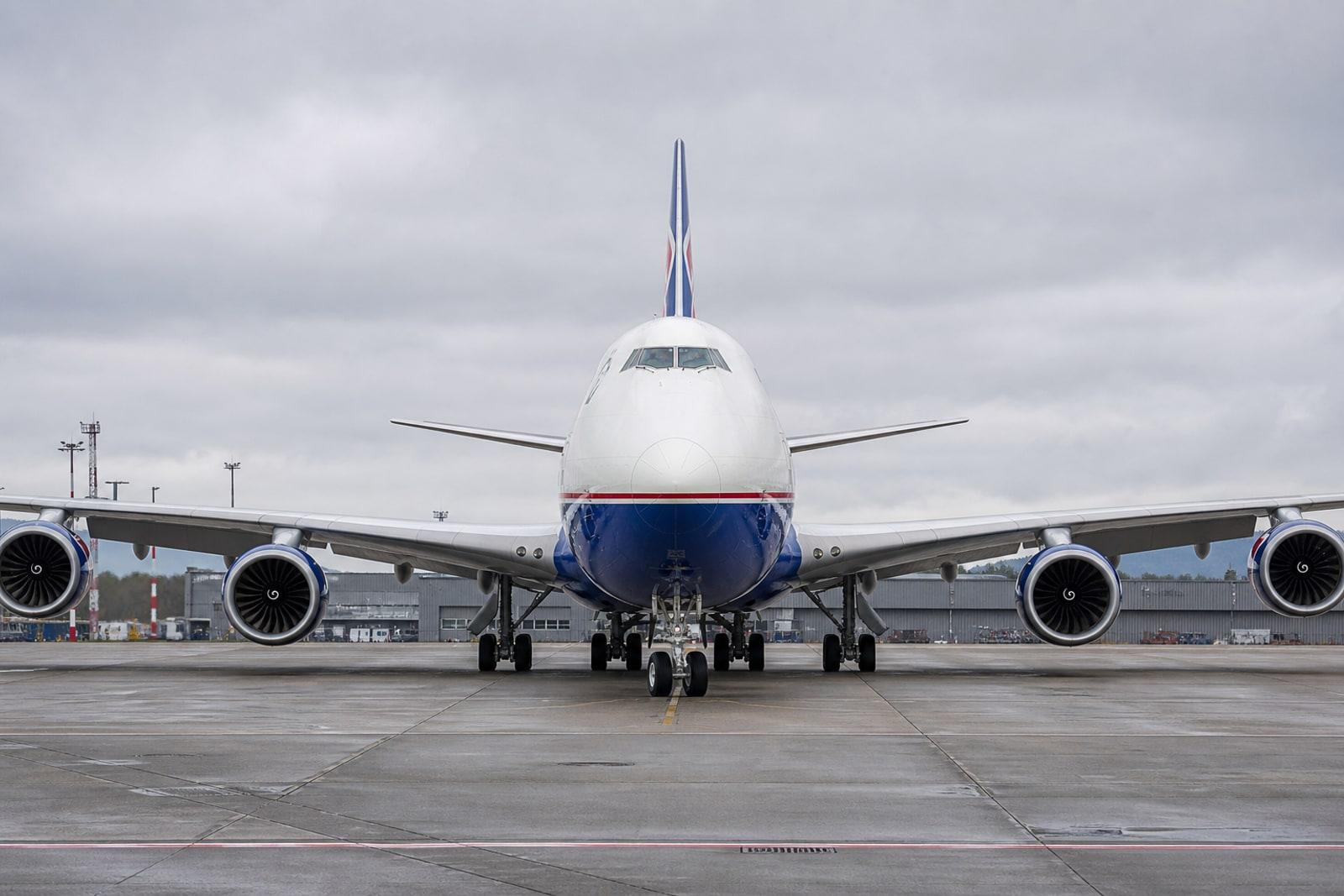
What makes the case unusual is less its size than its subject. Cargolux is a pillar of Luxembourg's logistics economy — founded in 1970, based at Luxembourg-Findel airport, and operating an all-Boeing-747 freighter fleet to more than 90 destinations — and it is majority-controlled by the Luxembourg public sector. According to the airline's own disclosures, its shareholders are:
- Luxair — 35.10% (Luxembourg's national airline, itself state-linked)
- HNCA — 35.00% (Henan Civil Aviation Development and Investment, of China)
- BCEE — 10.90% (the state savings bank)
- SNCI — 10.67% (the state investment bank)
- Luxembourg State — 8.32% (direct holding)
Taken together, Luxair, BCEE, SNCI and the direct state stake put roughly two-thirds of the company in Luxembourg public hands. A nine-figure sum this is not — but a criminal penalty against a flagship the state effectively controls is a rare accountability moment for the Grand Duchy's logistics industry, and one prosecutors are likely to cite as evidence that self-reporting pays off.
Part of a wider aviation reckoning
The settlement lands amid a decade in which prosecutors on both sides of the Atlantic have pressed a string of corruption cases against the aviation sector, increasingly resolved through negotiated deals rather than trials. The benchmark remains Airbus, which in January 2020 agreed to pay roughly $3.9 billion (about €3.6 billion) to settle foreign-bribery allegations through parallel agreements approved by courts in France, the United Kingdom and the United States — the largest corporate foreign-bribery settlement on record, according to the US Department of Justice.
Against that backdrop, Cargolux's €1.15 million is modest. But the pattern is the same: conduct in a foreign market, a company-only resolution, credit for cooperation, and a pledge of stronger controls. For a state-owned freight champion in one of Europe's smaller economies, the episode is a reminder that the compliance expectations reshaping global aviation now reach the apron at Findel.
Frequently asked
- How much is Cargolux paying and to whom?
- Cargolux agreed to pay approximately €1.15 million — a combined fine and confiscation — under a settlement ratified by the Luxembourg district court. The resolution is with the Luxembourg State Prosecutor's Office; it is a domestic case, with no US or UK involvement.
- What conduct does the penalty cover?
- It covers facts qualified as influence-peddling (trafic d'influence) linked to Cargolux's activities in Gabon between 2010 and 2015. The case concerns only the company; no executives or other individuals were charged, and the details of the scheme were not made public.
- Why does it matter that Cargolux is state-linked?
- Cargolux is majority-controlled by Luxembourg's public sector — Luxair holds 35.10%, the state savings bank BCEE 10.90%, the state investment bank SNCI 10.67%, and the state 8.32% directly. A criminal penalty against such a flagship company is a rare corporate-governance moment for Luxembourg.
- How does this compare with other aviation bribery cases?
- It is small next to the sector's benchmark: in 2020 Airbus paid roughly $3.9 billion to settle foreign-bribery cases in France, the UK and the US. But it follows the same modern template of company-only settlements that reward voluntary disclosure and cooperation.
Sources(8)
- 1Cargolux Agrees €1.15m Penalty in Gabon CaseChronicle.lu · chronicle.lu
- 2Trafic d'influence au Gabon: Cargolux paie 1,15 million d'euros d'amendeL'essentiel · lessentiel.lu
- 3Trafic d'influence : 1,15 million d'euros d'amende pour CargoluxLe Quotidien · lequotidien.lu
- 4Condamnée à 1,15 million d'euros, Cargolux réagitPaperjam · paperjam.lu
- 5Introducing Cargolux (shareholder structure)Cargolux Airlines International · cargolux.com
- 6Airbus Agrees to Pay over $3.9 Billion in Global Penalties to Resolve Foreign Bribery and ITAR CaseU.S. Department of Justice · justice.gov
- 7Introduction of the Plea Bargaining Procedure in Luxembourg Law (jugement sur accord)Lexgo.lu · lexgo.lu
- 8CargoluxWikipedia · en.wikipedia.org
Related by topic