World Cup 2026
Cape Verde, half a million strong, reach the World Cup knockouts and a date with Argentina
Three draws, no defeats: the Atlantic archipelago becomes the smallest nation ever to reach a men's World Cup knockout stage, and now faces the reigning champions.
By Marc Weber · · 4 min read
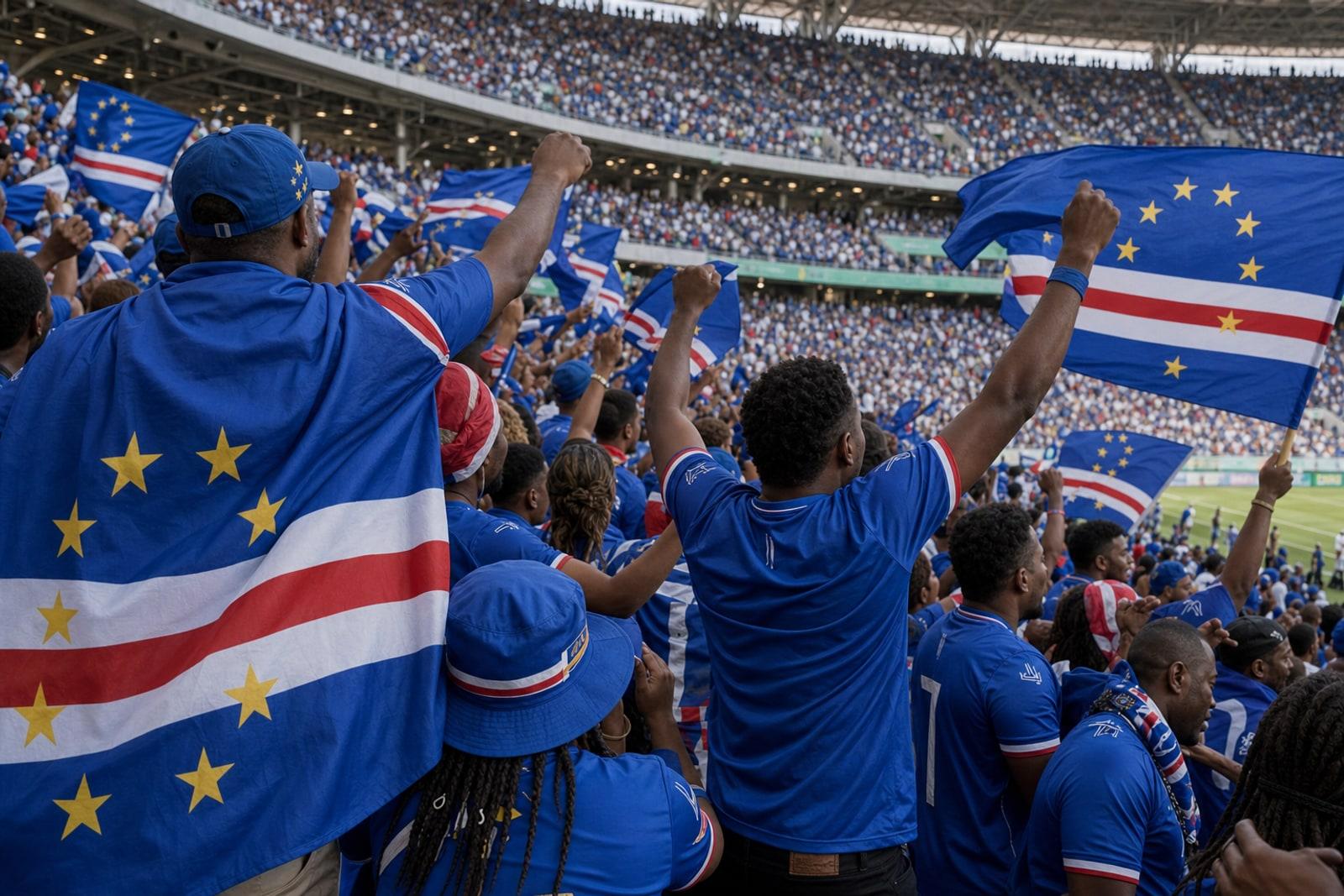
For a nation of barely half a million people scattered across ten volcanic islands in the Atlantic, the arithmetic of a World Cup had always looked unforgiving. On Friday, Cape Verde rewrote it.
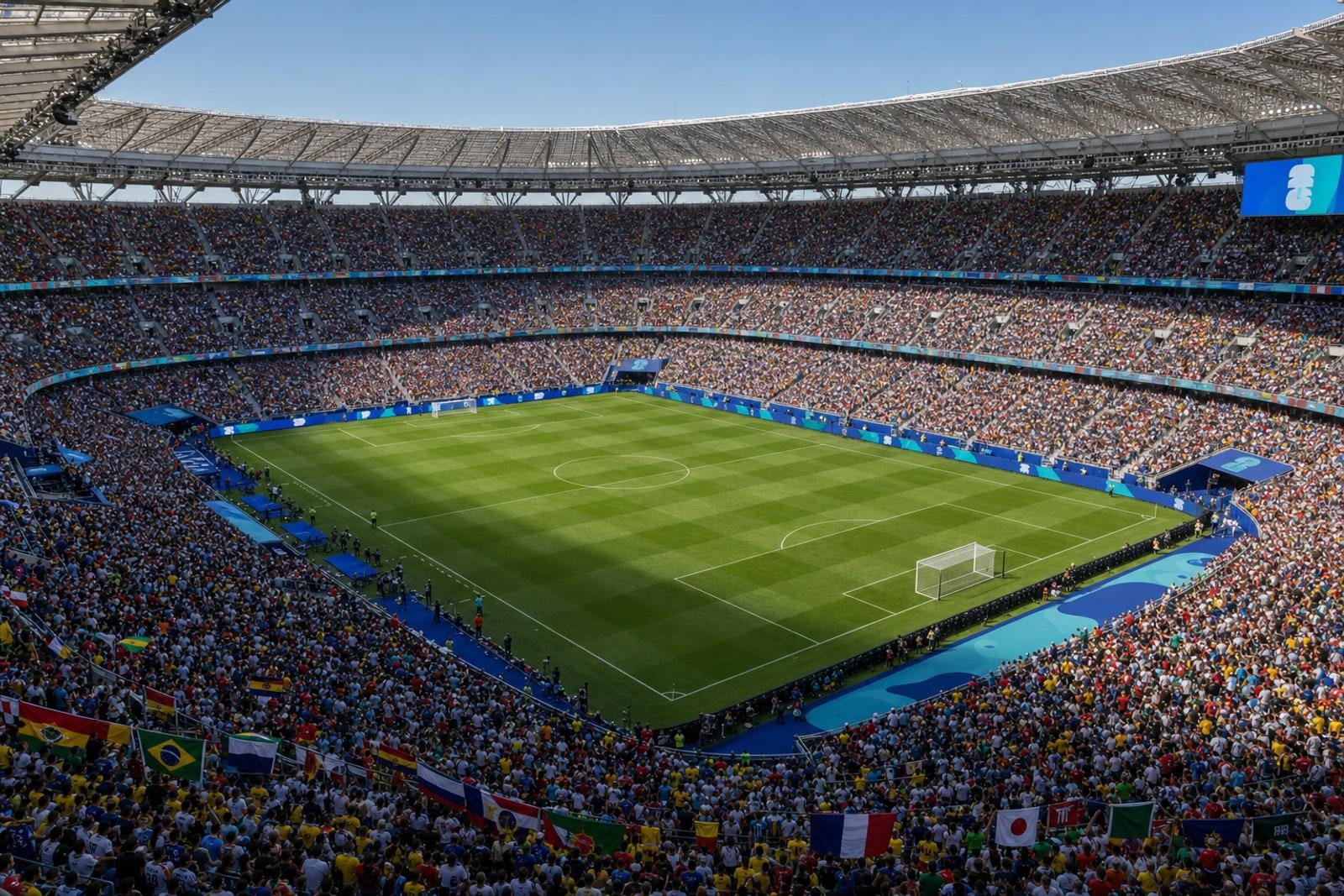
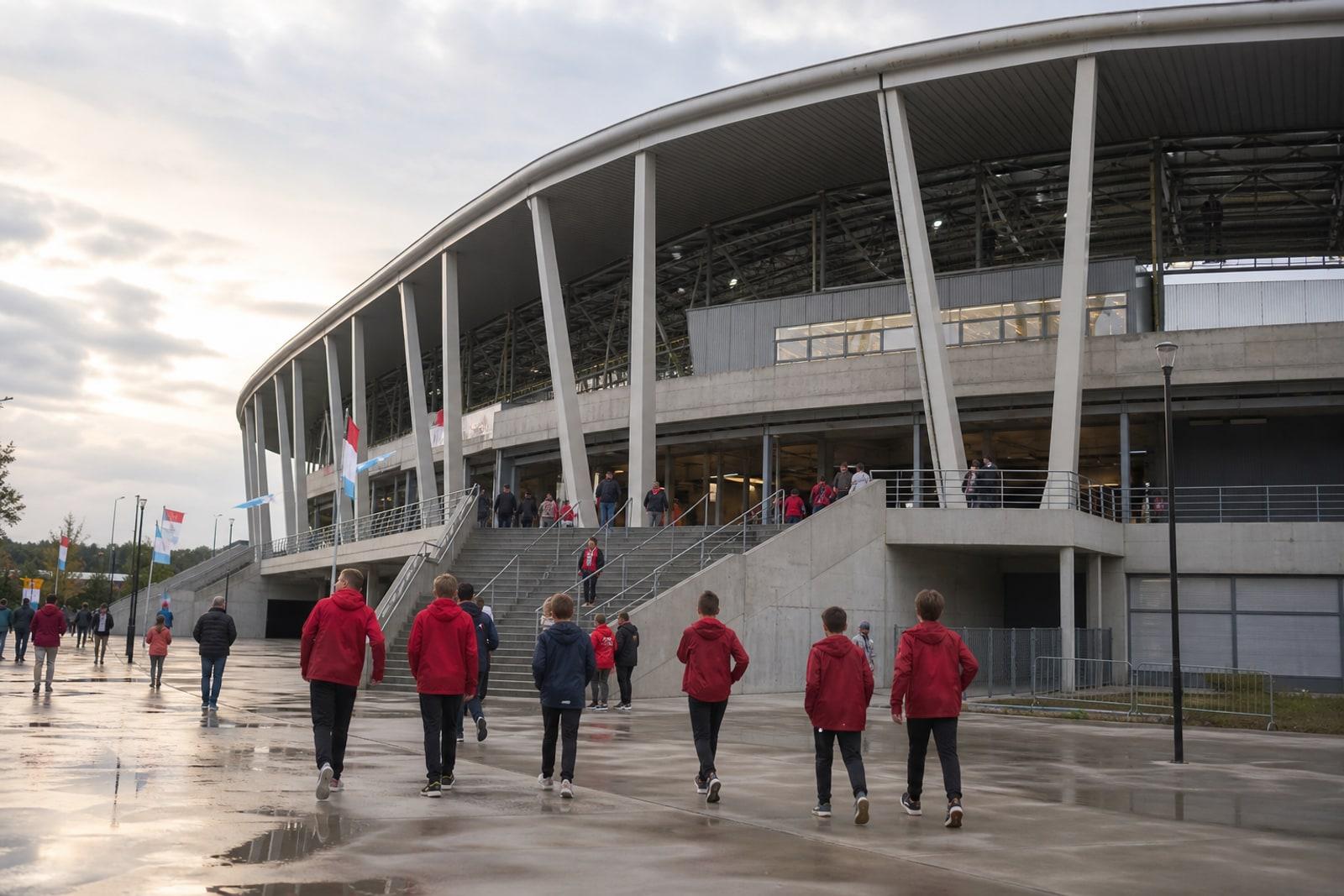
A goalless draw with Saudi Arabia in Houston on 26 June left the debutants second in Group H and through to the tournament's new round of 32 — making the archipelago the smallest country by population ever to reach the knockout stage of a men's World Cup. Their reward is one of the ties of the round: a meeting with reigning champions Argentina in Miami Gardens, Florida, on 3 July.
Three draws, no defeats
Cape Verde, ranked 67th in the world before kick-off, did not win a match in the group stage — and did not need to. They opened by holding Spain, the 2010 world champions, to a 0-0 draw, then recovered to draw 2-2 with Uruguay, two-time winners and victors of the inaugural 1930 tournament, before closing with another goalless stalemate against Saudi Arabia.
That left them unbeaten on three points, advancing on the fine margins the expanded format rewards. Their fate was settled in part on another pitch: as the final whistles neared, Cape Verde's players stood on the field watching their phones, willing Spain to beat Uruguay. Spain duly won 1-0, Cape Verde finished second behind the group winners, and a country that only became independent from Portugal in 1975 was into the last 32.
The result made Cape Verde the first World Cup debutant to reach the knockout rounds since Slovakia in 2010, and the first newcomers to go through the group stage unbeaten since Senegal in 2002.
The smallest nation to go this far
With a population of around 525,000 — fewer people than live in the US state of Wyoming — Cape Verde supplants every previous minnow in the record books. Iceland and Curaçao are smaller still, but both were eliminated at the group stage on their only World Cup appearances. None of football's traditional underdog stories had ever cleared the first hurdle.
"We are small, but we have big hearts and we are fighters," said the 40-year-old goalkeeper Vozinha, whose saves against Spain helped set the tone for the campaign.
Coach Bubista, draped in the national flag at the final whistle, framed the achievement as proof of an idea long held at home.
"Everyone is entitled to dream and nothing is impossible," he said. "To finish the first phase without losing a single match, we have to be pleased."
A format built for outsiders
Cape Verde's run is, in part, a product of the tournament's redesign. The 2026 edition is the first to feature 48 teams, up from 32, hosted across the United States, Canada and Mexico. The new structure widened the door that smaller footballing nations have spent decades pushing against:
- The 48 teams are split into 12 groups of four.
- The top two from each group advance, joined by the eight best third-placed sides — 32 teams in all.
- That created an additional knockout round, the round of 32, and pushed the schedule from 64 matches to 104.
- Africa's allocation of guaranteed places rose accordingly, giving federations such as Cape Verde a realistic path to the finals.
Critics have argued that more teams dilute the jeopardy of the group stage. Cape Verde's three cautious draws — and the nervous scoreboard-watching that followed — are exactly the kind of cautious, margin-fine football the format can encourage. But the counter-argument arrived in the same week: a side that two decades ago was barely a fixture on the international calendar is now preparing to share a pitch with the world champions.
Now, the champions
Argentina, inspired by Lionel Messi, will start the round-of-32 tie as overwhelming favourites. Cape Verde have made a habit this month of treating favourites as beatable, holding two former world champions to draws and conceding only twice across three matches. The defensive resilience that carried them out of the group — built around the veteran Vozinha and a tightly organised back line — will be tested by the most decorated attack in the tournament.
For the islands themselves, the occasion is already historic regardless of what happens in Florida. A federation that fields players drawn heavily from a global diaspora — descendants of Cape Verdeans in Portugal, the Netherlands, France and beyond — has turned scattered talent into a team that the rest of the world is now scrambling to learn about. Bubista's squad will travel to Miami Gardens carrying the expectations of a country that has waited its entire existence for a night like 3 July.
"The team was very eager to show this to the whole world," the coach said. They have done exactly that — and they are not finished yet.
Frequently asked
- How did Cape Verde qualify for the World Cup knockout stage?
- They finished second in Group H, unbeaten on three points, after drawing 0-0 with Spain, 2-2 with Uruguay and 0-0 with Saudi Arabia. The final 0-0 with Saudi Arabia on 26 June, combined with Spain's 1-0 win over Uruguay, secured their place in the round of 32.
- Why is Cape Verde's achievement a record?
- With a population of around 525,000 — fewer than the US state of Wyoming — Cape Verde is the smallest country by population ever to reach the knockout stage of a men's World Cup. Smaller nations such as Iceland and Curaçao were eliminated in the group stage of their only appearances.
- Who do Cape Verde play next?
- They face reigning world champions Argentina, captained by Lionel Messi, in the round of 32 in Miami Gardens, Florida, on 3 July 2026.
- How does the 48-team World Cup format work?
- The 2026 World Cup is the first with 48 teams, split into 12 groups of four. The top two from each group plus the eight best third-placed teams advance to a new 32-team knockout round, with 104 matches in total.
Sources(6)
- 1Cape Verde qualify for World Cup Round of 32, set up date with ArgentinaAl Jazeera · aljazeera.com
- 2Cape Verde become smallest country to make World Cup knockoutsESPN · espn.com
- 3Cape Verde break record as smallest nation to reach World Cup knockoutsAl Jazeera · aljazeera.com
- 4Coach Bubista Hails Cape Verde's Fearless Dreamers After World Cup LeapAsharq Al-Awsat (Reuters) · english.aawsat.com
- 5How the FIFA World Cup 26 will work with 48 teamsFIFA · fifa.com
- 6'Fighters with big hearts!' - Vozinha and Cape Verde gunning for Lionel MessiGoal.com · goal.com
Related by topic