Technology
Apple raises Mac and iPad prices, blaming the AI boom's memory crunch
The iPhone maker blamed an AI-fuelled shortage of memory chips for rises of up to €400 on MacBooks — an early sign data-centre demand is reaching European shoppers.
By Marc Weber · · 4 min read
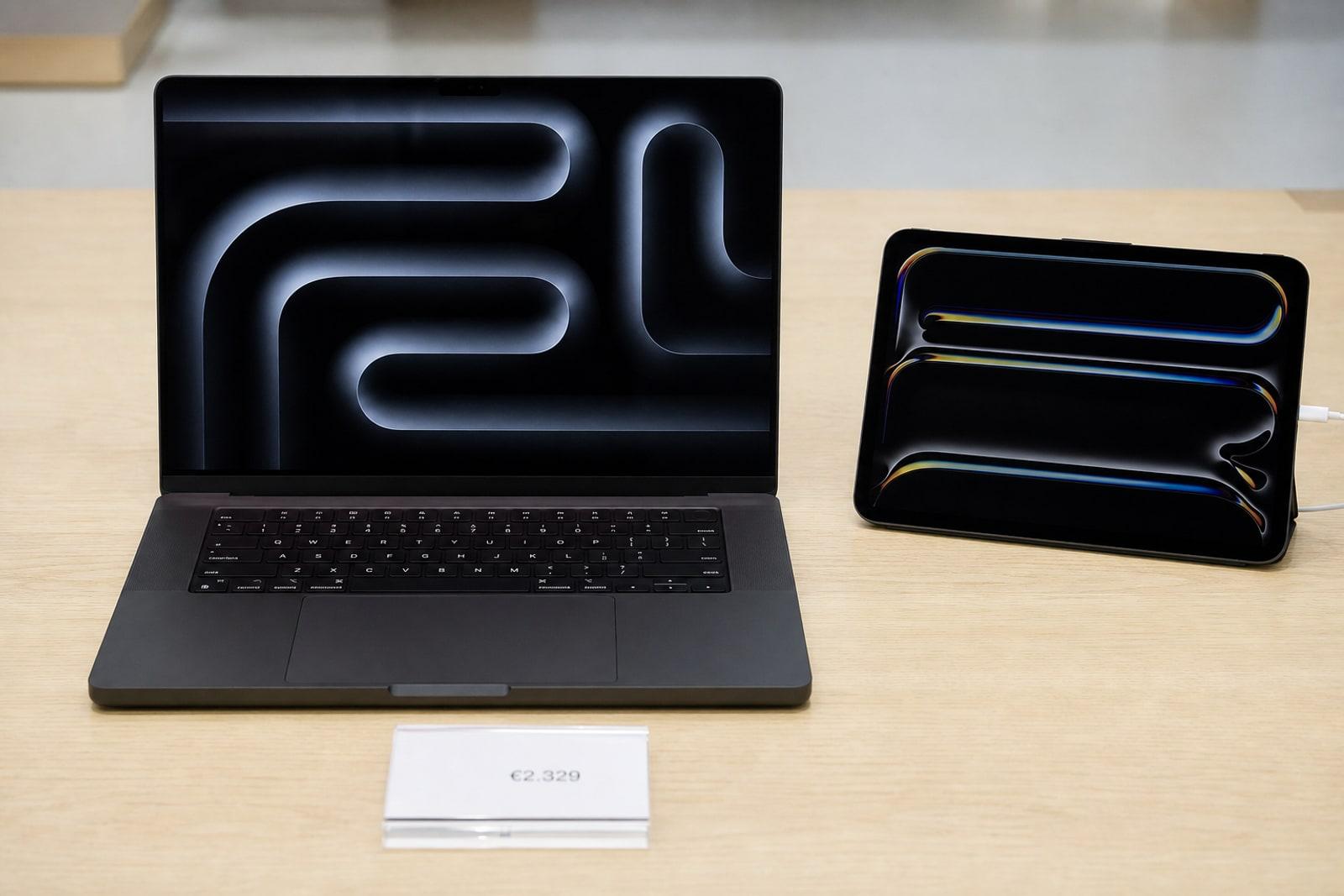
Apple raised prices across its Mac and iPad ranges on Thursday, telling customers it could no longer absorb the soaring cost of the memory chips that the artificial-intelligence boom has made scarce. The move is one of the clearest signs yet that the global race to build AI data centres is now feeding through to the price of everyday consumer hardware — including for buyers in Europe.
The increases, which took effect immediately on 25 June, touch almost every Mac and iPad configuration. In the United States, the entry-level MacBook Neo rose to $699 from $599, the 512GB MacBook Air to $1,299 from $1,099, and the 1TB MacBook Pro to $1,999 from $1,699. The 128GB iPad Air jumped to $749 from $599, while the 256GB Wi-Fi iPad Pro climbed to $1,199 from $999. The HomePod and Apple TV also went up. The iPhone, Apple's biggest source of revenue, was left untouched — though analysts expect it to follow later this year.
What Apple says is driving the increases
Apple framed the decision as a response to an extraordinary squeeze on the components inside its devices, and acknowledged it would be unwelcome.
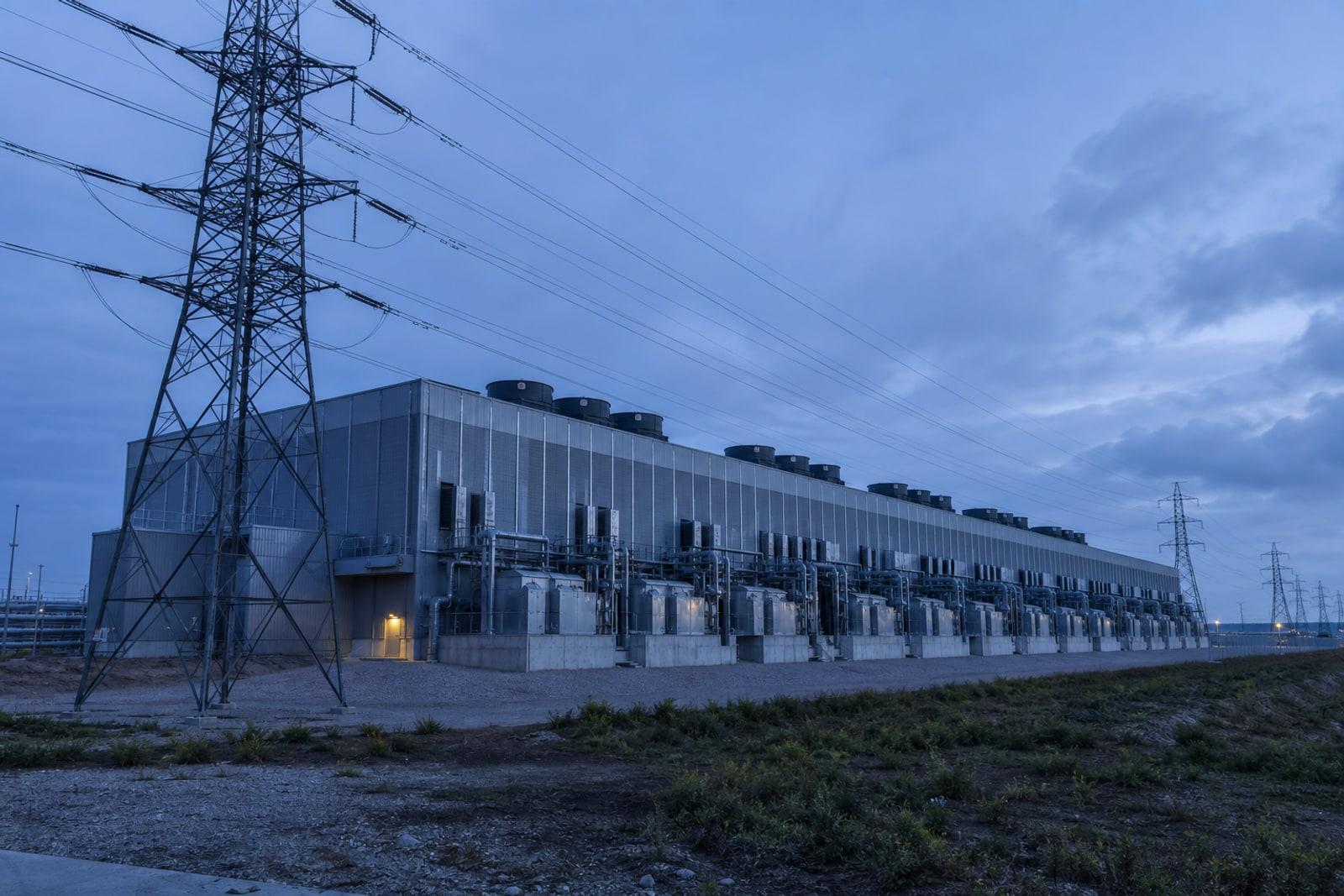
The rapid expansion of AI data centers has created an extraordinary surge in demand for memory and storage. We have never seen a component price increase this much, this quickly.
The company said it had "reached a point where we need to begin raising prices on a number of products," while insisting it was "working tirelessly to find solutions." The figures behind that warning are stark. The market-research firm TrendForce estimates that contract prices for conventional DRAM — the working memory inside laptops, tablets and servers — rose by as much as 98% in the first quarter of 2026 and are on course to climb a further 58% to 63% this quarter. Prices for NAND flash storage are forecast to rise by up to 75%. Memory makers have been diverting capacity to the higher-margin server chips that AI providers crave, and cloud companies have been locking up supply through long-term contracts.
An AI bill arriving on the high street
For most of the past two years, the cost of the AI build-out has shown up mainly on the balance sheets of cloud giants and chipmakers. Apple's move pushes part of that bill onto ordinary buyers. The memory specialist Micron has said it has locked in roughly $22 billion in long-term supply commitments from customers scrambling to secure chips, and does not expect the shortage to ease before 2027.
Investors took the news badly. Apple shares fell about 5% — its worst day in more than a year — even as memory suppliers such as Micron jumped sharply on the prospect of sustained high prices. Analysts said the pressure is unlikely to be temporary.
"The memory environment is tough and remains structurally tough for the foreseeable future," said Ben Bajarin, chief executive of the research firm Creative Strategies.
What it means for buyers in Luxembourg and the euro zone
European shoppers are seeing the same pattern, denominated in euros. According to pricing published for European markets, the MacBook Neo now starts at €799 (up €100), the 13-inch MacBook Air at €1,399 (up €200), the 14-inch MacBook Pro at €2,199 (up €300) and the 16-inch MacBook Pro at €3,399 (up €400). The 11-inch iPad Air rose €150 to €799 and the iPad Pro by €200, while a single memory upgrade step now costs €220 instead of €200. The Apple TV 4K saw one of the steepest jumps in percentage terms, up €110 to €299. Because Apple lists these products in euros across the euro area, buyers in Luxembourg face the same euro-denominated increases.
Apple is not acting alone. In the same window, Microsoft raised Xbox console prices — the Series X is heading to $800 — Sony lifted the PlayStation 5 by €100 in April, to €650 for the standard model, and Nintendo has flagged a rise of more than 6% on the Switch 2. Together they suggest the memory crunch is becoming a broad tax on consumer electronics rather than a one-company problem.
For some analysts, the era of modest, barely noticeable price tweaks is ending.
"I think the days of $50 price increases are over," said Nabila Popal, an analyst at the research firm IDC, who expects Apple to push through further rises — potentially on the iPhone — later in the year. For Luxembourg households already navigating elevated living costs, the message is that the price of the AI boom is no longer confined to corporate data centres; it is starting to show up at the checkout.
Frequently asked
- Which Apple products are getting more expensive?
- Mac and iPad models, plus the HomePod and Apple TV. In the US, examples include the MacBook Neo ($599 to $699), the 512GB MacBook Air ($1,099 to $1,299) and the 128GB iPad Air ($599 to $749). The iPhone was not changed, though analysts expect rises later in 2026.
- How much do prices rise in euros for buyers in Luxembourg?
- Apple lists its products in euros across the euro area, which includes Luxembourg. MacBooks rose by roughly €100 to €400 depending on the model, iPads by €150 to €200, and the Apple TV 4K by €110. A memory upgrade step now costs €220 instead of €200.
- Why is Apple raising prices?
- Apple blames a surge in the cost of memory and storage chips driven by the AI boom. TrendForce data show DRAM contract prices rose as much as 98% in early 2026, with further increases expected, as chipmakers prioritise high-margin server memory for AI data centres.
Sources(8)
- 1Apple raises prices of MacBooks, iPads as memory costs skyrocket (Reuters)Reuters via Investing.com · investing.com
- 2Apple raises MacBook, iPad prices by hundreds of dollars as memory costs biteReuters via The Globe and Mail · theglobeandmail.com
- 3Apple increases prices for Macs and iPads, blaming a shortage of memory chipsAssociated Press via The Washington Times · washingtontimes.com
- 4AI boom sends Xbox, Mac and iPad prices soaringEuronews · euronews.com
- 5AI Server Demand to Drive Memory Contract Price Increases in 2Q26TrendForce · trendforce.com
- 6DRAM prices predicted to jump 63% in Q2, NAND up to 75% — follows ~95% jumps in Q1Tom's Hardware · tomshardware.com
- 7Apple Price Hike in 2026: How Much More Expensive the MacBook, iPad and Apple TV Are NowBasic Tutorials · basic-tutorials.com
- 8Apple posts worst day in over a year after MacBook and iPad price hikesCNBC · cnbc.com
Related by topic